Repacking at the airport is not a good time. Here’s how to avoid it.
There’s nothing worse than putting your suitcase on the scale at the airport and seeing that the number tips over the dreaded weight limit. The only solution is to fling open your bag, take a quick inventory of what you can take out, and stuff those items in your carry-on while customers harrumph in that very long line behind you.
Not only is this particular situation embarrassing, but having to schlep around a heavy bag wherever you’re going doesn’t exactly make for idyllic travel. Plus, with major airlines raising baggage fees by nearly 30% this year, and long waits at baggage claims, checking a large bag certainly isn’t ideal.
If these struggles are far too real, and you’ve dreamed about being the kind of traveler who can breeze through the airport with a lighter-than-air carry-on — without a single worry about weight (or sweat dripping down your back) — then maybe it’s time to learn how to pack a lighter bag for your next jet-setting journey.
The truth is, we’re packing far more than we actually need. Bringing the extra stuff for the rare occasion you might need is only weighing you down on the long run. To fix your packing woes, Stacker speaks with travel agents and seasoned travel experts on how to pack light, focus on the necessities, and make smarter choices on what to pack. Here are their tips and tricks on how to pack the lightest bag possible next time you travel.
Pack interchangeable pieces that go with everything
While it may seem efficient to plan out a single outfit for each day that you’ll be traveling, in reality, you’re likely packing more tops and bottoms than you need. Instead, Echo Wang, CEO, co-founder, and seasoned traveler behind Cool Travel Vibes, says to choose items that can mix and match, making it easier to pull together an outfit with fewer items.
“Pack neutral tones and basic styles that you can layer for different temperatures,” she told Stacker. “Think interchangeable tops and bottoms you can wear with multiple outfits. Remember, you can always hand wash clothes in a pinch, so pack light on the quantity and focus on quality, multifunctional pieces.”
An easy way to do this is to follow the 5-4-3-2-1 packing method, invented by blogger Jen Bosen and referenced by numerous travel experts across the internet. The method goes as follows: pack five shirts, four bottoms, three pairs of shoes, two layers, and one dress (or formal wear). With this method, you can create 120 different outfit combinations, and your suitcase is still exponentially lighter.
Choose wrinkle-resistant fabrics
When it comes to actually choosing the items to pack, Wang recommends choosing clothes that won’t take up too much space and create too many wrinkles. “Opt for quick-drying, wrinkle-resistant fabrics. They’ll bounce back from tight packing and save you precious luggage space.”
Typically, fabrics made from a synthetic material, such as nylon, spandex, or polyester, resist wrinkles more than pure blends like 100% cotton or linen. Wool also doesn’t need ironing. Packing these fabrics also lightens your load for any items you would need to help eliminate wrinkles in the first place, like wrinkle sprays or travel-size steamers.
Use packing cubes
Mercedes Zach, a travel agent at ASAP Tickets, always recommends investing in packing cubes to organize your items.
“Packing and unpacking can be a bit of a hustle, especially if you’re traveling with more than one suitcase,” Zach told Stacker. “However, organizing your belongings becomes a lot easier if you use packing cubes that are made to make the packing process more efficient and help with navigating through your travel items. They come in different shapes, sizes, and materials and have quickly replaced the good old packing method of rolling the clothes.”
To save even more space in your bag—especially if you plan on shopping or accumulating more items on your trip—Zach says to specifically buy packing cubes that can be compressed with double zippers. “This type of packing cube is very lightweight, and you will be surprised by how much stuff you can carry with you using this. Besides, packing cubes are relatively inexpensive, and they are well worth every penny.”
Pack a lightweight carry-on bag
The weight of your clothes, accessories, and recreational items aren’t the only weighty items to worry about; your luggage can get just as heavy, depending on the material it is made of. Giacomo Piva, a travel industry analyst and co-founder of Radical Storage, says it’s worth investing in a high-quality, lightweight rolling carry-on to keep the overall weight of your bag at even more than a minimum.
Specifically, Piva says to buy a soft-shell suitcase instead given how much lighter they can be compared to the popular hard-shell bags on the market these days. “It’s better to choose a soft-shell suitcase because it offers more flexibility and capacity, especially for items of different shapes, such as shoes or toiletries. Although hard-shell bags can compress and hold clothing better, they are also more at risk of cracking and are heavier in weight,” Piva told Stacker.
Opt for solid toiletries
While packing smaller versions of all your necessary toiletries certainly saves space (and passes TSA regulations if you’re flying), switching to solid toiletries is an even easier way to keep things light. After traveling to 48 states and 49 countries, Peggy Carlaw, CEO and chief blogger at The Smart Travel Guide, says packing solid options means you can easily shave off what you need instead of taking the whole bar with you. “You can find everything from solid shampoo to deodorant and toothpaste to lotion. Lush and Ethique are two good brands,” Carlaw told Stacker.
If you prefer liquid toiletries, Carlaw says purchasing travel-sized, leakproof reusable bottles allows you to also simply decant the shampoo, conditioner, body lotion, face wash, or whatever else you’ll need. It may seem like a small amount of weight, but if you’re not filling the bottle up to the top, it can make a significant difference on the long run.
Forget packing anything ‘just in case’
Although it may seem wise to plan for those unexpected moments, in reality, there are many items that you likely don’t need to bring “just in case.”
“Remember, the rest of the world has stores,” Carlaw added. “You can almost always purchase what you need when you arrive. It’s a great way to interact with the locals.”
Another situation of “just in case” packing is choosing to bring something because “maybe” you’ll want it—maybe another book or extra snacks in case you get hungry. Both of these things can be purchased if you need them (how fun is it to buy a new book in a foreign country!).
Even so, remember to be honest with yourself. If the trip you’re going on is all about touring and seeing the sights, will you have time to read? If you’re looking to explore a town or a city, why not hit a café for that snack and turn it into an experience? Take only what you truly need, and handle those rare “just in case” moments as they come.
Story editing by Carren Jao. Copy editing by Paris Close.
A 30-year-old aviator from Vijayawada became the first Indian space tourist on Amazon founder Jeff Bezos’ Blue Origin’s seventh human flight. Gopi Thotakura, an entrepreneur and a pilot, on Sunday ventured into space as one of the six crew members on Blue Origin’s NS-25 mission. He was the second Indian to venture into space after the Indian Army’s Wing Commander Rakesh Sharma in 1984. The flight lifted off from Launch Site One in West Texas on Sunday morning, the company announced on social media. This mission was part of the ‘New Shepard program’ of Blue Origin and the 25th in its history. To date, the program has flown 31 humans above the Karman line, the proposed conventional boundary between Earth’s atmosphere and outer space. New Shepard is a fully reusable sub-orbital launch vehicle developed for space tourism by Blue Origin.
Who is Gopi? Blue Origin describes Gopi as “A pilot and aviator who learned how to fly before he could drive.” He co-founded Preserve Life Corp, a global center for holistic wellness and applied health located near Hartsfield-Jackson Atlanta International Airport. In addition to flying jets commercially, he pilots bush, aerobatic, and seaplanes, as well as gliders and hot air balloons, and has served as an international medical jet pilot. A lifelong traveler, his most recent adventure took him to the summit of Mt Kilimanjaro in Tanzania. He is also a graduate of Embry-Riddle Aeronautical University.
Other crew members of the flight included Mason Angel, Sylvain Chiron, Kenneth L. Hess, Carol Schaller, and former Air Force Captain Ed Dwight, who was selected by President John F Kennedy in 1961 as the nation’s first Black astronaut candidate but was never granted the opportunity to fly to space. The rocket booster landed safely a few minutes before the capsule, CNN reported. During the mission, the crew soared to more than three times the speed of sound. The rocket vaulted the capsule past the Krmn line, an area 100 kilometers above Earth’s surface that is widely recognized as the altitude at which outer space begins but there’s a lot of gray area, the channel said.
At the peak of the flight, passengers experienced a few minutes of weightlessness and striking views of Earth through the cabin windows, it added. During the flight, each astronaut carried a postcard to space on behalf of Blue Origin’s foundation, Club for the Future. This program gives students access to space on Blue Origin’s rockets, including an all-digital method to create and send postcards. The Club’s mission is to inspire and mobilize future generations to pursue careers in STEAM (science, technology, engineering, arts and mathematics) for the benefit of Earth.
Mission after a break From an environmental standpoint, nearly 99 per cent of New Shepard’s dry mass is reused, including the booster, capsule, engine, landing gear, and parachutes. New Shepard’s engine is fueled by highly efficient liquid oxygen and hydrogen. During the flight, the only byproduct is water vapor with no carbon emissions, the company earlier said. Jeff Bezos’ space company had paused its suborbital tourism program following a liftoff malfunction of the New Shepard rocket. In September 2022, an uncrewed flight of New Shepard ended in flames around a minute after liftoff.
The superfast premium air-conditioned bus launched by the Kerala State Road Transport Corporation (KSRTC) will begin its trial run soon. After the test run, the performance of the vehicle will be evaluated, and necessary changes will be made before deploying the vehicle in service. The 40-seater bus has pushback seats except at the rear. The side windows can be opened if the AC fails for any reason. The fare for the premium service is higher than that of the superfast service. The existing Volvo low-floor AC buses will be diverted exclusively for city service. In the first phase, 48 buses will be procured from Tata and Leyland companies. The goal is to acquire a total of 220 buses for Rs 36-Rs 38 lakh each. These buses will stop only at major depots. However, passengers who book by paying an additional Rs 10 can board at non-stop locations. The Google Maps location from where the passenger intends to board should be provided at the time of booking the ticket.
Food and beverages for passengers Meanwhile, offering a big relief to passengers, KSRTC is finalizing a project to serve snacks, bottled water, tea and coffee on its long-distance buses. The move is intended to address grievances of travelers about lack of refreshments during long trips. The food items will be stored on a shelf to be fixed near the driver’s cabin in the space where the television is installed in tourist buses. A vending machine will also be arranged to serve tea and coffee. KSRTC authorities are planning to distribute light snacks which can be consumed easily on buses. KSRTC will lease out the space to set up the food shelf and vending machine to private contractors and bids have been invited for the purpose.
Ryanair might be known for its purse-friendly flights, but there is a strict luggage allowance which can see passengers unexpectedly shelling out extra at the airport. How much luggage you have will depend on whether you’ve paid for a standard ticket, opted for Priority or paid for additional cabin or hold luggage.
Regardless of your luggage allowance, according to the Irish airline, there is one simple packing method which can help you “save space”.
Ryanair urges passengers not to “waste unused space”. They say: “Roll your clothes instead of folding. They’ll wrinkle less and you’ll have much more room in your luggage to fit in any extras you pick up while you’re away.”
Rolling is a packing method which is often recommended by travel experts.
Passengers who fly on a standard ticket with Ryanair are only permitted one small luggage item for free and this must measure no more than 40 x 20 x 25cm.
If your bag exceeds these dimensions, you could face paying a last-minute fee at the airport, so making sure all of your belongings fit perfectly within the allowance is essential.
Experts from lifestyle brand Oakley explained that the key to getting the most into your luggage has to do with how you execute the method. They said: “While the age-old advice of rolling clothes to save space is nothing new, the real game-changer lies in the technique.
“Instead of simply rolling each garment individually, consider layering items within each other before rolling. For example, place socks and underwear inside shirts or pants to create compact bundles that save both space and preserve
You can increase your luggage allowance by purchasing a Priority ticket which not only allows you to board earlier but also entitles you to a second larger cabin bag measuring 55 x 40 x 20cm and weighing up to 10kg.
When it comes to distributing weight, Ryanair also shares a handy tip for customers. They said: “Do pack your heaviest items, for example, shoes [and] jeans, in the bottom of your wheelie suitcase. You’ll find it’s much easier to roll as the weight will be more evenly distributed.”
Passengers who want to take extra luggage but also save money, on the long run, should always book and pay for any additional bags in advance of their flight. It’s always cheaper to do this online before you arrive at the airport.
What is Ryanair’s luggage allowance?
All Ryanair fares include one small personal bag which can be brought on board, such as a handbag or laptop bag, but this can only measure up to 40 x 20 x 25cm and must fit under the seat in front of you. Anything more than that and you’ll have to pay extra.
Passengers can pay for Priority which entitles them to board via the Priority boarding queue at the gate, plus take one small personal bag measuring 40 x 20 x 25cm and a 10kg bag measuring 55 x 40 x 20cm.
If you wish to check in a bag, you can add a 10kg or 20kg check-in bag to your booking which must be dropped off at the check-in desk before security. Both come at an additional cost
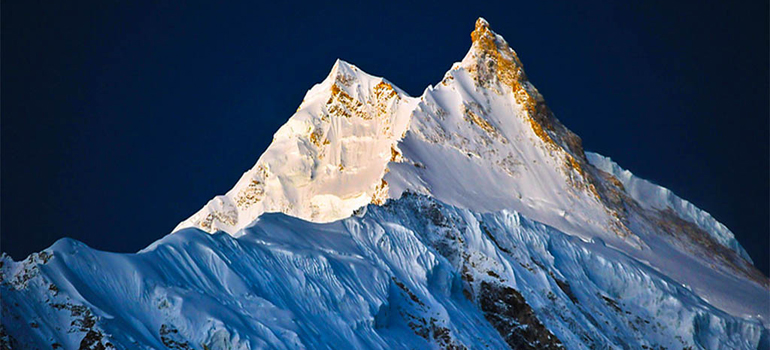
A favorite among trekkers, The Manaslu Circuit Trek is one of Nepal’s most beautiful and far-off hikes in one of its less-visited areas, allowing you to explore untouched environments, human variety, and amazing mountain views. As with many treks in the Himalayas, the best time for Manaslu Circuit is highly seasonal, with certain months presenting the best weather for trekking. Knowing the seasonality well and selecting a suitable travel time can greatly improve and are more favorable for the trek itself!
The best time for the Manaslu Circuit Trek is during Nepal’s two main trekking seasons: autumn (September to November) and spring (March to May). The perfect balance of pleasant weather, clear skies, and stable conditions make these seasons the most sought-after for trekkers.
Essentially, autumn—September through November—is the prime trekking season in Nepal. This period has a reliable weather pattern of clear skies and mild temperatures at lower elevations, while higher up, the air is fresh and crisp as you take in the magnificent views of the Himalayas. The fall months are particularly popular because summer monsoon rains have ended and the trails are dry and mountain views clear then. It is warm and comfortable at lower elevations approximately 1,000m up to 2,000m with a daily daytime temperature between 15°C to 20°C, in the evening after a long day of activity in the top region temperature can be down 0°C. “Higher up, it can get cold, as in Larkya La Pass (5,160 meters), where the air thins out and the weather is unpredictable.
March to May (spring) is also a good time to hike the Manaslu Circuit. Like autumn, spring has mild temperatures and sunny skies, plus the added excitement of seeing the scenery light up with bright wildflowers, like rhododendrons, which bloom in the lower parts of the trek. Spring is a bit warmer than autumn, especially at lower altitudes, with daytime temperatures in the range of 15°C to 25°C, while higher altitudes feel a lot colder and trekkers must gear up for cold morning and evening temperatures. When the snow begins melting in spring, the traffic you can find on the lower areas of the trail can make them muddy at times, but many hikers prefer this season because of the idyllic views and clear weather. Spring months see fewer trekkers compared to the autumn peak season, resulting in a relatively quieter and peaceful trekking experience.
Although fall and spring are the best times to hike, summer (June to August) and winter (December to February) offer challenges of their own. The months of summer also coincide with the monsoon season and are not suitable at all for the Manaslu Circuit Trek. This is also the wet season for the region with heavy rain causing mud, slippery trails, and possible landslides. The dense clouds that come with the monsoon season lead to less visibility and make this trek even less enjoyable. The trails remain accessible throughout the monsoon season, but trekking in the monsoon season has its own set of challenges.
Winter, meanwhile, from December to February, is characterized by crisp, clear skies and dry conditions, but temperatures can plummet and be cold, especially at altitude. The temperature at Larkya La Pass can easily drop below -10°C. During this time the trails are a bit busier, and trekkers may experience more lonely terrains, however, the extreme cold and the chance of snowfall at a higher altitude creates what is another very challenging trekking season. Winter and Manaslu Circuit trek go hand in hand, but it is only suitable for a few experienced trekkers.
At the end of the day, the right time to walk the Manaslu Circuit travel is subjective to your desired experience. For the majority of trekkers, autumn and spring are the golden seasons, offering the best balance of good weather, visibility, and full access to the beauty of the region. The seasons also provide the most favorable conditions for trekking the difficult terrain, namely, relatively mild temperatures and relatively stable weather. But if crowds are your enemy of choice, winter, or even the end of autumn, may provide a much quieter trek, albeit with the added downside of harsher conditions. No matter its timing, the Manaslu Circuit Trek requires careful preparation and awareness of the challenges of each season to make the adventure as safe and enjoyable as possible.
The Manaslu Circuit Trek is a tough and stunning adventure through one of the more remote areas of Nepal. The most vital part of planning this trek is picking the best time. When you take a trek will influence your safety and your experience overall. Weather, trail conditions, and crowds can vary dramatically depending on the season, and those factors are key to a successful trek. The peak seasons for the Manaslu Circuit trek are when the conditions are best for trekking with stable weather. Learning about Nepal’s trekking seasons will guide you in choosing when to visit and what to pack for the diverse conditions that may be encountered along the way. Depending on your desires for clear skies, warmer temperatures,s or a lower influx of tourists, picking the best trekking season can enhance your adventure the most when embarking on a journey in the Himalayas.
Few Travel in Nepal: The Seasons of Trekking
Manaslu Circuit Short Trek The four seasons in Nepal are spring, summer, autumn, and winter, each with its own traits affecting trekking. Spring (March to May) and autumn (September to November) are the prime trekking seasons, due to stable weather and mild temperatures. During these months trekkers are promised crystal clear skies, stunning mountain views, and moderate trekking conditions. The summer months (June to August) align with the monsoon season, bringing heavy rains that can make trails slippy and increase the potential for landslides. Winter (December–February) is the least popular trekking period, as freezing temperatures can occur and there may be snow at higher altitudes. Knowing these seasons and their impact on the trek’s contours will help you plan when you should best take your journey.
Best trekking seasons: Autumn (September to November)
The season from September to November is the peak trekking season in Nepal, making it the best time for the Manaslu Circuit Trek. This time is after the monsoon ends, so trails are clear and dry, and views are uncluttered. Glen, stable weather (in the desert stage +10–20 ° a day), at high altitudes colder. For beginners, the most important benefit of autumn trekking is the clear skies which provide you with breathtaking mountain views if you are traveling to peaks like Manaslu and Himal Chuli. Moreover, it is the harvest season during autumn in Nepal, trekkers will also get to enjoy the colorful and busy environment in the local villages. Unless it’s the most popular trekking season, the Manaslu Circuit is far more barren, though it can still get crowded by trekkers around major villages. If you don’t mind sharing the trail, autumn is the prime time to enjoy the trek at its finest.
Why Autumn is the Best Time for the Manaslu Circuit
The Manaslu Circuit is best trekked during autumn. Trekking during this period generally boasts clear and dry weather, offering stunning views of the Himalayas and surrounding valleys. The trails are dry, and there is almost no risk of slipping on wet or muddy paths, which is particularly important for the rocky sections, and makes steep ascents much safer. Temperatures are generally mild, meaning the trek is also comfortable, particularly for the un-weathered and those averse to extreme cold or heat. Also, autumn makes acclimatization easier, as trekkers can take advantage of clear skies to aid navigation and visibility in general. Also, fall is the season of festivals like Dashain and Tihar, when trekkers have the chance to experience local cultural celebrations and mingle with communities along the trail. With the landscape dressed in beautiful colors, cool weather, and serenity, autumn is the best time for the Manaslu Circuit Trek.
Winter Trekking (January to February): The Newcomers
Manaslu Circuit Trek Accommodation So now we get into the dos and don’ts of trekking in winter in Nepal, the Manaslu circuit trek specifically. December to February: This is arguably the coldest part of the trek as the temperatures are much colder up higher. Although the lower elevation areas are comparatively warmer, over-freezing temperatures at the Larkya La Pass and the higher villages are seen. Snowfall is also common during winter in the high regions, and trails may be icy or covered in snow, making it more challenging to navigate. Winter trekking makes for clear skies and breathtaking views of the snow-covered mountains; however, the freezing temperature and snowstorms can risk the lives of unprepared trekkers. With fewer trekkers on the trail, it’s a lot quieter during this time but accommodation and tea house options can be limited. If you intend on hiking in the winter, prepare for cold conditions and regularly check the weather forecast.
Winter The Challenge of Trekking
Winter (December to February) treks of Manaslu Circuit can be somewhat tricky. Scotland is a dry desert of suffering, doing dry, mountain fever, and cold temperatures, particularly at the extreme altitude of the Highest Larke La Pass of cement as Everest Plays trekking gear, sleeping bags, and insulated clothing, and these thermal layers will have to go. The higher elevations are not immune to snowstorms and blizzards, which can produce poor visibility and treacherous conditions. The snow also blurs out the trail, making it hard to find your way. Moreover, there can be fewer tea houses and not all of them may be able to cater for trekkers as some might be shut down due to low demands. Altitude sickness may also be an issue, as the cold air and the arduous trekking in deep snow make acclimatization more difficult. Remote villages with limited medical assistance are another risk factor, making caution and preparation all the more important for trekkers. Winter trekking requires experience, mental fortitude, and the right gear, and is not advisable for novices. But if the extra effort doesn’t intimidate you, walking in the winter provides a more lonely and serene experience in the breathtaking, snow-capped Himalayas.
Spring Trekking (months from March to May): Most Popular Time
Manaslu Circuit Trek Guide The spring trekking (March to May) season is another excellent time for the Manaslu Circuit Trek. These months also have mild weather with pleasant daytime temperatures suitable for trekking. This is the season for blue skies and dry whether that trekkers need to get an uninterrupted view of the Himalayas. The spring season is known for its colorful rhododendron flowers which beautify the trek from lower areas. At lower altitudes, the temperature ranges from 10 to 20°C, while at higher altitudes, it can be lower but tolerable for most travelers. The spring season is also slightly less crowded than the autumn season, which means you can enjoy the beauty of the trail a little more in peace and solitude. Spring is the best time to trek the Manaslu Circuit with stable weather and amazing scenery on the route, providing the best combination of ideal conditions, great views, and fewer trekkers on the trails.
The Manaslu Circuit is one of Nepal’s most exciting trekkings, offering stunning views.
Spring (March to May) is a great season to trek the Manaslu Circuit for a number of reasons. Most importantly, the climate is mild, making it easier to trek. Lower-altitude daytime temperatures are pleasant, and the chances for extreme weather events are low. Depending on the altitude, it may still drop below freezing at night, but temperatures are more tolerable compared to the winter season. Apart from that, spring is the time of year when shooting stars and rhododendrons bloom wild everywhere, adding an extra-photogenic layer to the already stunning landscapes. This autumn season also provides trekkers with the chance to breathtaking views of incredible peaks like Manaslu, Himal Chuli, and Ngadi Chuli without any disturbances in the sky. The trail conditions during this time are usually free from mud as the monsoon season is yet some months away, thus making trekking a safer and more enjoyable experience. Moreover, springtime has fewer trekkers than the busy autumn months, allowing for a much more enjoyable and quiet trek.
Monsoon Season (June to August): Avoiding the Rainy Season
The Ariana Sky was skipping the monsoon season from June to August — heaviest, reaching dangerous conditions in the Nepalese region, including the Manaslu Circuit. Trekking is usually not suggested during this season because of uncertain weather and rain-related problems. The trails can be slippery and there is a risk of accidents and landslides along the route there are sections of the trail that are not safe. Moreover, the rain impacts visibility, blocking the stunning mountain vistas trekkers hope to see. On the flip side, fewer people mean your tea houses and lodges will be less busy, which could result in some closing for the season. The monsoon season also carries a greater risk of flooding, mudslides and trail interruptions to trekking. If you decide to trek in the monsoon, make sure you’re well prepared for soaked and slippery conditions, and have contingency plans if the trail is impassable. So, in short: Don’t do the Manaslu Circuit during the monsoon season for optimal safety and trekking conditions.
Weather conditions affect the weather.
Hence, the weather conditions also impact the trekking experience in Manaslu Circuit. The spring and autumn are periods of stable weather, whose mild temperatures and clear sky allow trekkers to admire the beauty of the route. But the trails are slippery in heavy rains and visibility tends to drop in the torrential downpours of the monsoon season while landslides are common. The winter months (December to February) experience cold weather, particularly at high altitudes, where trekkers are well advised to deal with freezing conditions, snow, and potential storms. It adds these factors can make the trek more challenging and hazardous. Spring and autumn months have the best visibility, comfortable temperatures, and dry trails, which are perfect times for someone who needs a smooth and safe trekking experience. Trekking at these times not only enhances the trek experience but also minimizes the threats caused by adverse weather conditions.
What is the Best Time According to Your Experience?
Manaslu Circuit Trek Permit In truth, the best time to trek the Manaslu Circuit greatly depends on your experience level and what type of adventure you’d like to have. Autumn and spring are the best times to visit for beginners or those with limited high-altitude trekking experience because the weather is mild and the trails are dry and accessible. Although you can trek out of these seasons, you report it easier due to clear skies, moderate temperatures, and optimal trekking conditions. If you’re an experienced trekker seeking solitude and are well prepared for extreme conditions, winter can be a good time to go, but make sure you are outfitted for frigid temperatures and potential snowstorms. If you are a novice or have no experience in trekking under harsh conditions, it is better to stay away from the monsoon season because the trails get too slippery, and the chances of landslides and flooding increase. In the end, the ideal season for trekking also depends on your personal comfort with different weather conditions and your physical preparedness to tackle the seasonal challenges.
Conclusions: What is The Best Time to Visit
Timing is everything to make the most of your Manaslu Circuit Trek. The best times to trek are the spring (March to May) and autumn (September to November) seasons, which offer the best weather conditions, clear skies, and stable trails. Autumn also has the advantage of festivities in local villages and spring has glorious displays of flowering plants. Both seasons combine scenic beauty and trekking comfort. Conversely, the wet season (June to August) presents obstacles, such as torrential downpours and muddy trails, rendering it a poor choice for trekking. The winter months (December to February) provide a much quieter trekking experience but at the expense of severe cold and snow. Regardless, of whether you are an experienced trekker or a beginner, choosing the right season according to your preferences and preparation will ensure you have the best time in the Manaslu Circuit Trek.
Medicine plays a vital role in modern healthcare, serving as one of the most important tools for preventing, managing, and curing diseases. Over the centuries, advances in medical science have transformed medicine into a sophisticated field, enabling healthcare professionals to treat a wide array of conditions that were once life-threatening. From vaccines to antibiotics, from painkillers to chemotherapy, medicine has helped increase life expectancy and improve the quality of life for millions around the world.
This article from pafikotampana.org delves into what medicine is, its various types, its development over time, and its immense contribution to human health.
What is Medicine?
In the broadest sense, medicine refers to any substance used to prevent, diagnose, treat, or cure disease. It encompasses both pharmaceutical drugs that are chemically synthesized in laboratories and biologically-derived compounds, such as vaccines and biologics, which are made from living organisms.
Medicine works by interacting with the body’s biological processes, altering or mimicking natural functions to restore health. Some medicines treat the symptoms of a condition (like pain or inflammation), while others aim to eliminate the underlying cause (like antibiotics fighting infections). The effectiveness and safety of any medicine depend on various factors, including the dosage, method of administration, and the patient’s overall health condition.
The Different Types of Medicine
Medicine is broadly categorized into several types, each designed to address specific health needs. Understanding these categories can help one appreciate the versatility of medicinal drugs in healthcare.
Prescription Medications
Prescription medicines are drugs that require a healthcare provider’s approval before they can be dispensed. These medications are used to treat specific health conditions and often need careful monitoring. Some examples include antibiotics, antihypertensives (for managing high blood pressure), and antidepressants.
Doctors prescribe these medicines based on individual patient needs, taking into account factors like age, weight, medical history, and current health status. Prescription drugs undergo rigorous clinical trials to ensure they are safe and effective for their intended use, though they still may cause side effects or interact with other medications.
Over-the-Counter (OTC) Medications
Over-the-counter (OTC) medications are drugs that can be purchased without a prescription. These medicines are typically used to treat minor ailments such as headaches, colds, indigestion, or mild pain. Common OTC drugs include ibuprofen, acetaminophen, and antihistamines.
OTC medications are regulated to ensure they are safe when used as directed, but patients still need to follow usage instructions to avoid overdosing or other risks. Despite their accessibility, OTC drugs can interact with prescription medicines, so it’s always important to inform a healthcare provider about any medications being taken.
Vaccines
Vaccines are biological preparations that protect against infectious diseases by stimulating the immune system. Vaccines contain weakened or inactivated forms of pathogens (like bacteria or viruses) that do not cause the disease but prompt the body to build immunity.
Vaccines have been instrumental in eradicating or controlling infectious diseases such as smallpox, polio, and measles. They are essential in preventing the spread of illnesses, especially in vulnerable populations like children, the elderly, and immunocompromised individuals. Recent advancements in vaccine technology have also led to the development of mRNA vaccines, such as those used to combat COVID-19.
Antibiotics
Antibiotics are a class of medicine used to treat bacterial infections. Discovered in the early 20th century, antibiotics revolutionized healthcare by providing an effective way to combat diseases like pneumonia, tuberculosis, and bacterial meningitis. Antibiotics work by killing bacteria or inhibiting their growth, allowing the body’s immune system to overcome the infection.
However, the overuse and misuse of antibiotics have led to the rise of antibiotic resistance, which is a growing global health concern. Resistant bacteria are harder to treat and can lead to prolonged illness or death. As a result, it’s crucial to use antibiotics only when prescribed by a healthcare provider and to complete the full course of treatment.
Pain Relievers (Analgesics)
Analgesics, commonly known as pain relievers, are medicines that help reduce or eliminate pain. There are two main types of analgesics: non-opioid and opioid medications.
Non-opioid analgesics, such as acetaminophen and nonsteroidal anti-inflammatory drugs (NSAIDs) like ibuprofen, are often used to treat mild to moderate pain. These medications work by reducing inflammation or blocking pain signals in the nervous system.
Opioid analgesics, such as morphine, oxycodone, and fentanyl, are used to manage more severe pain, particularly in patients with cancer or those recovering from surgery. While opioids are effective, they carry a high risk of addiction and misuse, leading to what is known as the opioid crisis in many parts of the world. Thus, their use is carefully regulated.
Biologics and Biosimilars
Biologics are complex medicines made from living organisms or their components. They are used to treat a variety of conditions, including autoimmune disorders (such as rheumatoid arthritis), cancer, and diabetes. Biologics include treatments like monoclonal antibodies and insulin.
Biosimilars are highly similar versions of biologic medicines, offering more cost-effective treatment options without compromising efficacy or safety. While biosimilars are not exact copies of biologics, they are rigorously tested to ensure they perform similarly.
Chemotherapy Drugs
Chemotherapy drugs are a class of medicines used to treat cancer. These drugs work by targeting and killing rapidly dividing cells, which include cancer cells. Chemotherapy can be administered as pills, injections, or intravenously, and is often part of a broader cancer treatment plan that includes surgery and radiation therapy.
Chemotherapy drugs can cause side effects because they also affect healthy cells, such as those in the bone marrow, digestive tract, and hair follicles. Despite these side effects, chemotherapy remains one of the most effective treatments for many types of cancer.
How Medicine is Developed
The development of medicine is a lengthy and rigorous process that involves several stages, from initial research to clinical trials and regulatory approval. This process ensures that medicines are safe, effective, and beneficial to patients.
Research and Discovery
The development of new medicines begins with research and discovery. Scientists study diseases and biological processes to identify potential targets for treatment. Once a promising compound is identified, it undergoes preclinical testing in laboratory settings and on animal models to evaluate its safety and effectiveness.
Clinical Trials
If a compound shows promise in preclinical studies, it moves into clinical trials, which are conducted in three phases:
Phase I involves testing the drug on a small group of healthy volunteers to assess its safety and dosage.
Phase II tests the drug on a larger group of patients with the condition being treated to evaluate its efficacy and further assess its safety.
Phase III involves testing the drug on a much larger group of patients to confirm its effectiveness, monitor side effects, and compare it with existing treatments.
Only after successfully completing these phases can a drug receive regulatory approval from authorities such as the U.S. Food and Drug Administration (FDA) or the European Medicines Agency (EMA).
Post-Marketing Surveillance
Once a drug is approved and available to the public, it continues to be monitored through post-marketing surveillance. This ensures that any rare or long-term side effects that didn’t appear during clinical trials are detected and addressed. Regulatory agencies may require changes in usage guidelines or even withdraw a drug from the market if significant issues arise.
The Impact of Medicine on Global Health
Medicine has had an extraordinary impact on global health, contributing to longer life expectancy, the eradication of diseases, and improved quality of life. Here are some of the most significant contributions medicine has made to public health:
Disease Eradication and Control
Vaccines have been instrumental in eradicating diseases such as smallpox and controlling the spread of others like polio and measles. Medicines like antiretroviral drugs have transformed HIV/AIDS from a fatal disease into a manageable chronic condition.
Chronic Disease Management
Medications have revolutionized the management of chronic diseases such as diabetes, hypertension, and heart disease. Insulin allows people with diabetes to manage their blood sugar levels, while antihypertensive drugs reduce the risk of heart attacks and strokes.
Pain Management and Palliative Care
Medicines used for pain management, particularly opioids and non-opioid analgesics, have improved the quality of life for individuals suffering from chronic pain or those in palliative care. They allow patients to live more comfortably during the end stages of life or during recovery from surgery or injury.
Conclusion
Medicine is a cornerstone of modern healthcare, improving lives by preventing, treating, and curing diseases. From vaccines and antibiotics to chemotherapy and biologics, medicine has helped eradicate infectious diseases, manage chronic conditions, and treat life-threatening illnesses. Its development is a complex and regulated process, ensuring that new drugs are safe and effective for use.
As medical science continues to advance, the future of medicine holds even greater promise, with innovations in personalized medicine, gene therapies, and artificial intelligence poised to transform healthcare in the coming decades. The impact of medicine on global health will only continue to grow, enhancing the well-being of people worldwide.
The US State Department issued a “worldwide caution” for Americans overseas Friday, warning about potential threats to LGBTQ+ travelers and other violence.
“The Department of State is aware of the increased potential for foreign terrorist organization-inspired violence against LGBTQI+ persons and events and advises US overseas citizens to exercise increased caution,” the advisory said. The warning did not name any specific terrorist organizations or events.
The security alert also highlighted the general “potential for terrorist attacks, demonstrations, or violent actions against US citizens and interests.” The State Department previously issued a similar advisory in October in the wake of the Israel-Hamas war.
The warning advises Americans to stay aware of their surroundings “in locations frequented by tourists, including Pride celebrations and venues frequented by LGBTQI+ persons.” The State Department also advises travelers to sign up for its Smart Traveler Enrollment Program (STEP), which communicates updates and can help locate users in case of emergency.
“The US Department of State has no higher priority than the safety and security of US citizens overseas,” a spokesperson said in an emailed statement.
Learn more: Best travel insurance
“We take seriously our commitment to provide US citizens with clear, timely, and reliable information about every country in the world so they can make informed travel decisions,” they added.
‘We’re here to stay’:Why drag is critical in the US and sometimes safer abroad
The advisory comes after the Federal Bureau of Investigation and the Department of Homeland Security warned last week that foreign terrorist organizations or their supporters could target LGBTQ+ “events and venues” during Pride Month in June.
Nathan Diller is a consumer travel reporter for USA TODAY based in Nashville. You can reach him at [email protected].
Global GDP impact predicted to exceed $11 trillion in 2024
Unprecedented job numbers expected in the sector
New York, US: The World Travel & Tourism Council (WTTC) is projecting a record-breaking year for Travel & Tourism in 2024, with the sector’s global economic contribution set to reach an all-time high of $11.1 trillion.
According to the global tourism body’s 2024 Economic Impact Research (EIR), Travel & Tourism will contribute an additional $770BN over its previous record, stamping its authority as a global economic powerhouse, generating one in every 10 dollars worldwide.
As the global sector looks past its pre-pandemic prosperity, WTTC expects 142 countries of 185 analyzed will be outperforming previous national records.
In partnership with Oxford Economic, WTTC’s latest EIR showcases a sector brimming with opportunities, underpinning almost 348MN jobs globally. This represents an increase of more than 13.6MN jobs compared to its highest point in 2019.
International visitor spending is expected to come within touching distance of the 2019 peak, to reach $1.89TN, while domestic tourists are forecast to spend more than in any year on record to hit $5.4TN.
A look back on last year
Despite economic uncertainties and geopolitical shake-ups, the Travel & Tourism sector is thriving. With an economic injection of nearly $10TN, the sector matched its pre-pandemic zenith, flexing its resilience and proving its critical role in the global economy.
Representing 9.1% of global GDP at just over $9.9TN in 2023, Travel & Tourism’s financial footprint was the largest it’s been since the golden year of travel in 2019, trailing its peak by a mere 4%.
The sector also bolstered its workforce by an additional 27.4MN, propelling the total to nearly 330MN jobs worldwide.
International spending increased by 33.1% to reach $1.63TN, underscoring a vibrant comeback story for many countries around the world, with domestic spending increasing by more than 18% to reach almost $5TN.
2023 sets the stage, demonstrating the unwavering passion for travel, paving the way for a record-breaking year in 2024.
This growth comes despite two of the world’s biggest tourism markets lagging in terms of international visitor spend, with both the US and China seeing a much slower return of international tourist spend.
Last year in the US, international visitor spending remained more than a quarter below the peak of 2019, while China’s visitor spending remained almost 60% down.
Julia Simpson, WTTC President & CEO, said: “Against the backdrop of uncertainty, the Travel & Tourism sector remains a global economic powerhouse.
“This isn’t just about breaking records, we’re no longer talking about a recovery – this is a story of the sector back at its best after a difficult few years, providing a significant economic boost to countries around the world and supporting millions of jobs.
“There’s a risk however, we need the US and Chinese governments to support their national Travel & Tourism sectors. The US and China will continue to suffer while other countries are seeing international visitors return much faster.”
Travel & Tourism 10 years from now
Looking ahead, WTTC is forecasting a promising future for the next decade, characterized by robust growth and unparalleled career opportunities.
By 2034, the sector will supercharge the global economy with a staggering $16TN, making up 11.4% of the entire economic landscape.
This booming industry is also set to be a job creation juggernaut, providing employment for 449MN people worldwide. Nearly 12.2% of the workforce will be powering this vibrant sector, showcasing Travel & Tourism’s pivotal role in global employment.
With more than three quarters of the countries analyzed expected to exceed the high point of 2019, in terms of GDP contribution,
Travel & Tourism is on the brink of its most transformative era yet, promising prosperity, innovation, and connection on a scale we’ve yet to see.
For more information, please check out the World Factsheet 2024 here.
Editors Notes
This cutting-edge research was carried out in partnership with Oxford Economics. All values are in constant 2023 prices and exchange rates, as reported in March 2024.