
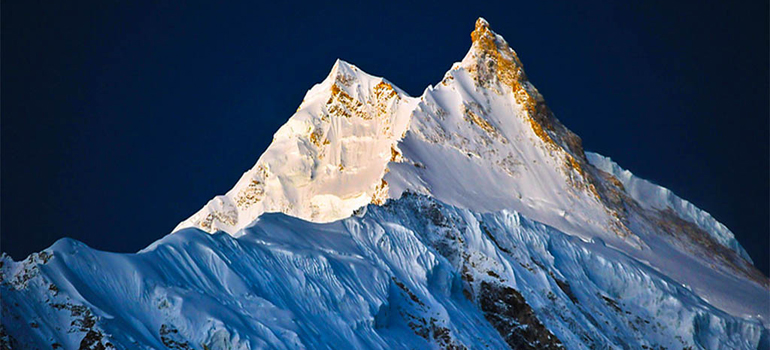
A favorite among trekkers, The Manaslu Circuit Trek is one of Nepal’s most beautiful and far-off hikes in one of its less-visited areas, allowing you to explore untouched environments, human variety, and amazing mountain views. As with many treks in the Himalayas, the best time for Manaslu Circuit is highly seasonal, with certain months presenting the best weather for trekking. Knowing the seasonality well and selecting a suitable travel time can greatly improve and are more favorable for the trek itself!
The best time for the Manaslu Circuit Trek is during Nepal’s two main trekking seasons: autumn (September to November) and spring (March to May). The perfect balance of pleasant weather, clear skies, and stable conditions make these seasons the most sought-after for trekkers.
Essentially, autumn—September through November—is the prime trekking season in Nepal. This period has a reliable weather pattern of clear skies and mild temperatures at lower elevations, while higher up, the air is fresh and crisp as you take in the magnificent views of the Himalayas. The fall months are particularly popular because summer monsoon rains have ended and the trails are dry and mountain views clear then. It is warm and comfortable at lower elevations approximately 1,000m up to 2,000m with a daily daytime temperature between 15°C to 20°C, in the evening after a long day of activity in the top region temperature can be down 0°C. “Higher up, it can get cold, as in Larkya La Pass (5,160 meters), where the air thins out and the weather is unpredictable.
March to May (spring) is also a good time to hike the Manaslu Circuit. Like autumn, spring has mild temperatures and sunny skies, plus the added excitement of seeing the scenery light up with bright wildflowers, like rhododendrons, which bloom in the lower parts of the trek. Spring is a bit warmer than autumn, especially at lower altitudes, with daytime temperatures in the range of 15°C to 25°C, while higher altitudes feel a lot colder and trekkers must gear up for cold morning and evening temperatures. When the snow begins melting in spring, the traffic you can find on the lower areas of the trail can make them muddy at times, but many hikers prefer this season because of the idyllic views and clear weather. Spring months see fewer trekkers compared to the autumn peak season, resulting in a relatively quieter and peaceful trekking experience.
Although fall and spring are the best times to hike, summer (June to August) and winter (December to February) offer challenges of their own. The months of summer also coincide with the monsoon season and are not suitable at all for the Manaslu Circuit Trek. This is also the wet season for the region with heavy rain causing mud, slippery trails, and possible landslides. The dense clouds that come with the monsoon season lead to less visibility and make this trek even less enjoyable. The trails remain accessible throughout the monsoon season, but trekking in the monsoon season has its own set of challenges.
Winter, meanwhile, from December to February, is characterized by crisp, clear skies and dry conditions, but temperatures can plummet and be cold, especially at altitude. The temperature at Larkya La Pass can easily drop below -10°C. During this time the trails are a bit busier, and trekkers may experience more lonely terrains, however, the extreme cold and the chance of snowfall at a higher altitude creates what is another very challenging trekking season. Winter and Manaslu Circuit trek go hand in hand, but it is only suitable for a few experienced trekkers.
At the end of the day, the right time to walk the Manaslu Circuit travel is subjective to your desired experience. For the majority of trekkers, autumn and spring are the golden seasons, offering the best balance of good weather, visibility, and full access to the beauty of the region. The seasons also provide the most favorable conditions for trekking the difficult terrain, namely, relatively mild temperatures and relatively stable weather. But if crowds are your enemy of choice, winter, or even the end of autumn, may provide a much quieter trek, albeit with the added downside of harsher conditions. No matter its timing, the Manaslu Circuit Trek requires careful preparation and awareness of the challenges of each season to make the adventure as safe and enjoyable as possible.
The Manaslu Circuit Trek is a tough and stunning adventure through one of the more remote areas of Nepal. The most vital part of planning this trek is picking the best time. When you take a trek will influence your safety and your experience overall. Weather, trail conditions, and crowds can vary dramatically depending on the season, and those factors are key to a successful trek. The peak seasons for the Manaslu Circuit trek are when the conditions are best for trekking with stable weather. Learning about Nepal’s trekking seasons will guide you in choosing when to visit and what to pack for the diverse conditions that may be encountered along the way. Depending on your desires for clear skies, warmer temperatures,s or a lower influx of tourists, picking the best trekking season can enhance your adventure the most when embarking on a journey in the Himalayas.
Few Travel in Nepal: The Seasons of Trekking
Manaslu Circuit Short Trek The four seasons in Nepal are spring, summer, autumn, and winter, each with its own traits affecting trekking. Spring (March to May) and autumn (September to November) are the prime trekking seasons, due to stable weather and mild temperatures. During these months trekkers are promised crystal clear skies, stunning mountain views, and moderate trekking conditions. The summer months (June to August) align with the monsoon season, bringing heavy rains that can make trails slippy and increase the potential for landslides. Winter (December–February) is the least popular trekking period, as freezing temperatures can occur and there may be snow at higher altitudes. Knowing these seasons and their impact on the trek’s contours will help you plan when you should best take your journey.
Best trekking seasons: Autumn (September to November)
The season from September to November is the peak trekking season in Nepal, making it the best time for the Manaslu Circuit Trek. This time is after the monsoon ends, so trails are clear and dry, and views are uncluttered. Glen, stable weather (in the desert stage +10–20 ° a day), at high altitudes colder. For beginners, the most important benefit of autumn trekking is the clear skies which provide you with breathtaking mountain views if you are traveling to peaks like Manaslu and Himal Chuli. Moreover, it is the harvest season during autumn in Nepal, trekkers will also get to enjoy the colorful and busy environment in the local villages. Unless it’s the most popular trekking season, the Manaslu Circuit is far more barren, though it can still get crowded by trekkers around major villages. If you don’t mind sharing the trail, autumn is the prime time to enjoy the trek at its finest.
Why Autumn is the Best Time for the Manaslu Circuit
The Manaslu Circuit is best trekked during autumn. Trekking during this period generally boasts clear and dry weather, offering stunning views of the Himalayas and surrounding valleys. The trails are dry, and there is almost no risk of slipping on wet or muddy paths, which is particularly important for the rocky sections, and makes steep ascents much safer. Temperatures are generally mild, meaning the trek is also comfortable, particularly for the un-weathered and those averse to extreme cold or heat. Also, autumn makes acclimatization easier, as trekkers can take advantage of clear skies to aid navigation and visibility in general. Also, fall is the season of festivals like Dashain and Tihar, when trekkers have the chance to experience local cultural celebrations and mingle with communities along the trail. With the landscape dressed in beautiful colors, cool weather, and serenity, autumn is the best time for the Manaslu Circuit Trek.
Winter Trekking (January to February): The Newcomers
Manaslu Circuit Trek Accommodation So now we get into the dos and don’ts of trekking in winter in Nepal, the Manaslu circuit trek specifically. December to February: This is arguably the coldest part of the trek as the temperatures are much colder up higher. Although the lower elevation areas are comparatively warmer, over-freezing temperatures at the Larkya La Pass and the higher villages are seen. Snowfall is also common during winter in the high regions, and trails may be icy or covered in snow, making it more challenging to navigate. Winter trekking makes for clear skies and breathtaking views of the snow-covered mountains; however, the freezing temperature and snowstorms can risk the lives of unprepared trekkers. With fewer trekkers on the trail, it’s a lot quieter during this time but accommodation and tea house options can be limited. If you intend on hiking in the winter, prepare for cold conditions and regularly check the weather forecast.
Winter The Challenge of Trekking
Winter (December to February) treks of Manaslu Circuit can be somewhat tricky. Scotland is a dry desert of suffering, doing dry, mountain fever, and cold temperatures, particularly at the extreme altitude of the Highest Larke La Pass of cement as Everest Plays trekking gear, sleeping bags, and insulated clothing, and these thermal layers will have to go. The higher elevations are not immune to snowstorms and blizzards, which can produce poor visibility and treacherous conditions. The snow also blurs out the trail, making it hard to find your way. Moreover, there can be fewer tea houses and not all of them may be able to cater for trekkers as some might be shut down due to low demands. Altitude sickness may also be an issue, as the cold air and the arduous trekking in deep snow make acclimatization more difficult. Remote villages with limited medical assistance are another risk factor, making caution and preparation all the more important for trekkers. Winter trekking requires experience, mental fortitude, and the right gear, and is not advisable for novices. But if the extra effort doesn’t intimidate you, walking in the winter provides a more lonely and serene experience in the breathtaking, snow-capped Himalayas.
Spring Trekking (months from March to May): Most Popular Time
Manaslu Circuit Trek Guide The spring trekking (March to May) season is another excellent time for the Manaslu Circuit Trek. These months also have mild weather with pleasant daytime temperatures suitable for trekking. This is the season for blue skies and dry whether that trekkers need to get an uninterrupted view of the Himalayas. The spring season is known for its colorful rhododendron flowers which beautify the trek from lower areas. At lower altitudes, the temperature ranges from 10 to 20°C, while at higher altitudes, it can be lower but tolerable for most travelers. The spring season is also slightly less crowded than the autumn season, which means you can enjoy the beauty of the trail a little more in peace and solitude. Spring is the best time to trek the Manaslu Circuit with stable weather and amazing scenery on the route, providing the best combination of ideal conditions, great views, and fewer trekkers on the trails.
The Manaslu Circuit is one of Nepal’s most exciting trekkings, offering stunning views.
Spring (March to May) is a great season to trek the Manaslu Circuit for a number of reasons. Most importantly, the climate is mild, making it easier to trek. Lower-altitude daytime temperatures are pleasant, and the chances for extreme weather events are low. Depending on the altitude, it may still drop below freezing at night, but temperatures are more tolerable compared to the winter season. Apart from that, spring is the time of year when shooting stars and rhododendrons bloom wild everywhere, adding an extra-photogenic layer to the already stunning landscapes. This autumn season also provides trekkers with the chance to breathtaking views of incredible peaks like Manaslu, Himal Chuli, and Ngadi Chuli without any disturbances in the sky. The trail conditions during this time are usually free from mud as the monsoon season is yet some months away, thus making trekking a safer and more enjoyable experience. Moreover, springtime has fewer trekkers than the busy autumn months, allowing for a much more enjoyable and quiet trek.
Monsoon Season (June to August): Avoiding the Rainy Season
The Ariana Sky was skipping the monsoon season from June to August — heaviest, reaching dangerous conditions in the Nepalese region, including the Manaslu Circuit. Trekking is usually not suggested during this season because of uncertain weather and rain-related problems. The trails can be slippery and there is a risk of accidents and landslides along the route there are sections of the trail that are not safe. Moreover, the rain impacts visibility, blocking the stunning mountain vistas trekkers hope to see. On the flip side, fewer people mean your tea houses and lodges will be less busy, which could result in some closing for the season. The monsoon season also carries a greater risk of flooding, mudslides and trail interruptions to trekking. If you decide to trek in the monsoon, make sure you’re well prepared for soaked and slippery conditions, and have contingency plans if the trail is impassable. So, in short: Don’t do the Manaslu Circuit during the monsoon season for optimal safety and trekking conditions.
Weather conditions affect the weather.
Hence, the weather conditions also impact the trekking experience in Manaslu Circuit. The spring and autumn are periods of stable weather, whose mild temperatures and clear sky allow trekkers to admire the beauty of the route. But the trails are slippery in heavy rains and visibility tends to drop in the torrential downpours of the monsoon season while landslides are common. The winter months (December to February) experience cold weather, particularly at high altitudes, where trekkers are well advised to deal with freezing conditions, snow, and potential storms. It adds these factors can make the trek more challenging and hazardous. Spring and autumn months have the best visibility, comfortable temperatures, and dry trails, which are perfect times for someone who needs a smooth and safe trekking experience. Trekking at these times not only enhances the trek experience but also minimizes the threats caused by adverse weather conditions.
What is the Best Time According to Your Experience?
Manaslu Circuit Trek Permit In truth, the best time to trek the Manaslu Circuit greatly depends on your experience level and what type of adventure you’d like to have. Autumn and spring are the best times to visit for beginners or those with limited high-altitude trekking experience because the weather is mild and the trails are dry and accessible. Although you can trek out of these seasons, you report it easier due to clear skies, moderate temperatures, and optimal trekking conditions. If you’re an experienced trekker seeking solitude and are well prepared for extreme conditions, winter can be a good time to go, but make sure you are outfitted for frigid temperatures and potential snowstorms. If you are a novice or have no experience in trekking under harsh conditions, it is better to stay away from the monsoon season because the trails get too slippery, and the chances of landslides and flooding increase. In the end, the ideal season for trekking also depends on your personal comfort with different weather conditions and your physical preparedness to tackle the seasonal challenges.
Conclusions: What is The Best Time to Visit
Timing is everything to make the most of your Manaslu Circuit Trek. The best times to trek are the spring (March to May) and autumn (September to November) seasons, which offer the best weather conditions, clear skies, and stable trails. Autumn also has the advantage of festivities in local villages and spring has glorious displays of flowering plants. Both seasons combine scenic beauty and trekking comfort. Conversely, the wet season (June to August) presents obstacles, such as torrential downpours and muddy trails, rendering it a poor choice for trekking. The winter months (December to February) provide a much quieter trekking experience but at the expense of severe cold and snow. Regardless, of whether you are an experienced trekker or a beginner, choosing the right season according to your preferences and preparation will ensure you have the best time in the Manaslu Circuit Trek.