Shining Bright Without the Bite: Lab-Grown Diamonds Take Over Birmingham’s Jewelry Scene

Shining Bright Without the Bite: Lab-Grown Diamonds Take Over Birmingham’s Jewelry Scene

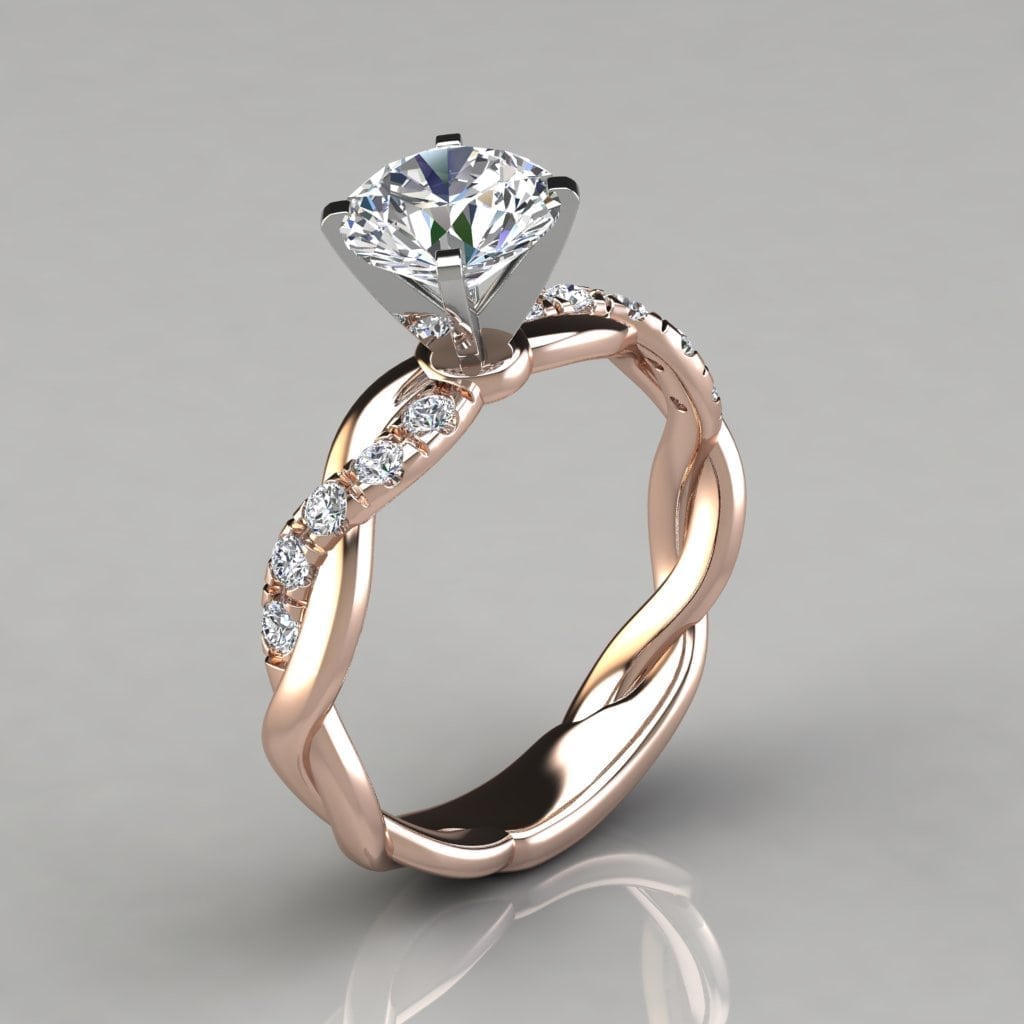
In recent years, Birmingham’s jewelry market has witnessed a significant transformation with the rising popularity of lab-grown diamonds. These exquisite gems are capturing the hearts of consumers who seek both beauty and ethical transparency. As more people become aware of the benefits, lab grown diamonds Birmingham are becoming the go-to choice for many seeking a dazzling yet conscientious alternative to traditional mined diamonds.

Lab-grown diamonds, also known as synthetic or cultured diamonds, are created in controlled laboratory environments using advanced technological processes that replicate the natural diamond formation. These diamonds possess the same physical, chemical, and optical properties as their mined counterparts, making them indistinguishable even to trained gemologists without specialized equipment. However, their origin from a lab rather than deep within the Earth’s crust offers several compelling advantages.

One of the most significant benefits of lab-grown diamonds is their ethical and environmental impact. Traditional diamond mining has long been associated with a myriad of environmental and ethical issues, including habitat destruction, water pollution, and the exploitation of labor in conflict zones. In contrast, lab-grown diamonds require significantly less environmental disruption and energy consumption, making them a more sustainable option. For consumers in Birmingham who are increasingly eco-conscious and socially responsible, this represents a major selling point.

Additionally, lab-grown diamonds are often more affordable than their natural counterparts. The absence of mining and the streamlined production process result in lower costs, which are passed on to consumers. This affordability does not come at the expense of quality or aesthetics; lab-grown diamonds offer the same brilliance and durability, providing excellent value for money. For couples in Birmingham planning their engagement or wedding, this means they can choose a stunning, high-quality diamond without exceeding their budget.

The burgeoning interest in lab-grown diamonds has also spurred innovation and creativity within Birmingham’s jewelry scene. Local jewelers and designers are embracing these diamonds, creating unique and contemporary pieces that appeal to modern tastes. From classic solitaires to intricate, avant-garde designs, the versatility of lab-grown diamonds is inspiring a new wave of artistry and craftsmanship. Jewelers in Birmingham are also recognizing the importance of offering personalized experiences, where customers can customize their jewelry to reflect their individual style and preferences.

Furthermore, the shift towards lab-grown diamonds aligns with the broader trend of transparency and traceability in the jewelry industry. Consumers today demand to know the origins of their purchases, seeking assurance that their jewelry is ethically sourced and produced. Lab-grown diamonds offer a clear, transparent journey from the lab to the showroom, allowing Birmingham’s jewelers to provide customers with detailed information about their diamond’s creation.

Educational efforts are also playing a crucial role in the adoption of lab-grown diamonds in Birmingham. Jewelers are investing in educating their clients about the benefits and characteristics of these diamonds, dispelling myths and misconceptions. As awareness grows, so does acceptance, leading to a more informed and enthusiastic customer base.

In conclusion, the rise of lab-grown diamonds in Birmingham’s jewelry scene marks a significant shift towards sustainability, affordability, and ethical responsibility. As consumers increasingly prioritize these values, lab-grown diamonds offer a shining alternative that does not compromise on beauty or quality. Birmingham’s jewelers are at the forefront of this transformation, embracing the change and leading the way with innovative designs and transparent practices. As lab-grown diamonds continue to gain popularity, they are set to redefine the future of fine jewelry in Birmingham, allowing customers to shine bright without the bite.
The Royal Ring’s Impact on Gender Roles: Challenging Traditional Expectations

The Royal Ring’s Impact on Gender Roles: Challenging Traditional Expectations

The concept of an engagement ring has long been associated with traditional gender roles and expectations, often seen as a symbol of a man’s commitment to a woman in marriage. However, the royal engagement ring, particularly the high-profile rings worn by royals across the globe, has been slowly challenging these norms and redefining the way we view gender roles in relationships. In recent years, the power of the royal ring has come to represent more than just a marker of marriage—it’s becoming a powerful symbol of equality and shifting dynamics between men and women.

Historically, engagement rings were given by men to women as a sign of promise, often accompanied by significant financial value, representing the man’s ability to provide and protect. This was grounded in a patriarchal understanding of gender roles, where women were expected to be the caretakers and homemakers while men took on the role of the primary providers. The diamond ring, given as a public declaration of this bond, reinforced this idea of men as the dominant figures in relationships.

However, royal families have helped challenge these conventions. Over the years, royal engagement rings, often handed down through generations or designed uniquely for their future bride or groom, have showcased a shift in how we think about commitment and relationships. One significant example was the engagement of Princess Diana to Prince Charles in 1981. Diana’s stunning sapphire engagement ring, which is now worn by Kate Middleton, was a departure from the traditional diamond engagement rings typically seen among royalty. The choice of sapphire, along with its distinctive design, symbolized a break from the conventional and highlighted the growing importance of individuality and personality in royal engagements. This shift in choice also echoed the changing roles of women in society—no longer just passive recipients of gifts but active individuals with preferences and voices in the relationship.

Another instance of challenging gender roles can be seen in the recent trend of men wearing engagement rings. Royals, such as Prince Harry, have joined the movement of challenging expectations by wearing an engagement ring themselves, signaling a departure from long-standing norms where only women received this symbol of commitment. Prince Harry’s decision to wear an engagement ring, paired with his commitment to equal partnership, demonstrates how gender roles are being redefined. As more royal figures embrace these changes, the royal engagement ring becomes a powerful tool for social transformation. It symbolizes mutual respect, shared responsibility, and the breaking down of traditional gender expectations.

This evolving view of the engagement ring also mirrors societal changes, where both men and women are equally engaged in building their relationships and futures. The traditional expectation that women should be the sole recipients of engagement rings and that men must solely fulfill the role of provider is being questioned and reimagined. As the roles of both partners become more equal and balanced, the ring itself has transformed from a simple token of ownership to a broader symbol of partnership and equality.

In conclusion, the royal engagement ring has had a profound impact on societal expectations, challenging traditional gender roles and redefining how commitment is symbolized. From the choice of gemstones to the increasing trend of men wearing rings, the royal ring is no longer a one-sided declaration but a symbol of mutual respect, equality, and changing dynamics in relationships. This shift highlights the broader movement towards more inclusive gender roles, where both men and women are seen as equal participants in the journey of love and marriage. As royals continue to lead by example, their engagement rings continue to be symbols of progress, challenging outdated expectations and celebrating the evolving nature of relationships.

Concerning number of Australians ditch travel insurance due to rising costs – survey

Concerning number of Australians ditch travel insurance due to rising costs – survey


Concerning number of Australians ditch travel insurance due to rising costs – survey | Insurance Business Australia


Here are some tips for young and older Australians…

Concerning number of Australians ditch travel insurance due to rising costs – survey

Travel

By Roxanne Libatique

Many Australians have opted out of travel insurance due to the rising costs, according to Compare Travel Insurance’s latest survey.

The survey found that 36% of Australians would not buy travel insurance due to its increased cost, while 26% would only buy the cheapest policy wherever possible. An additional 19% felt they “didn’t need it,” while 12% dismissed it as it “won’t cover their pre-existing illness.”

“Travellers opting out of travel insurance are putting themselves in an extremely vulnerable position. Even if the price of a policy has increased post pandemic, the cost of overseas medical bills or trip cancellations can far outweigh the cost of a policy, particularly in today’s travel climate. It’s important to consider those risks before even contemplating a holiday,” Ball said. “Ambulance costs alone can cost more than $5k. A stay in a US hospital can result in bills amounting to tens or even hundreds of thousands of dollars, which is not the sum most people can begin to contemplate while on holidays. It is vital that all travelers put their health and safety first.”

Insurance for young and older Australians

Young Australian travelers are least likely to take out travel insurance, especially when faced with increased travel costs – with DFAT revealing that one in 10 travelers under 30 rejected the idea of ​​insurance regardless of their destination. Moreover, a concerning number of travelers believe that the government will help them if they experience a medical emergency, which is not the case.

The rising cost of travel insurance has also left older travelers unprotected – with Compare Travel Insurance’s quote comparison on June 27, 2023, revealing that taking a week’s holiday to Bali would cost a 64-year-old $49, but an 85-year-old in perfect health would have to pay over 10 times more for their cover ($505).

“The increase to already high premiums has made travel insurance increasingly unaffordable for older travelers, particularly if they have pre-existing conditions to declare,” Ball said.

Tips for travelers

Compare Travel Insurance says travelers can save money by choosing their cover wisely.

“Compare carefully to ensure you’re covered for any unexpected incidents that may arise and consider where you may be able to scrimp. For example, you may be able to reduce your luggage cover if you are already insured through your home and contents insurance, or through your credit card,” Ball said.

Meanwhile, older travelers should compare policies to get the best deal or seek out a specialist seniors’ insurer.

Related Stories


Can you mix alcohol with travel insurance?

Can you mix alcohol with travel insurance?


Can you mix alcohol with travel insurance? | Insurance Business Australia


Insurance boss addresses queries on consumption limits

Can you mix alcohol with travel insurance?

Travel

By Roxanne Libatique

The majority of Australian travellers, approximately 70%, have expressed uncertainty about the extent to which travel insurance covers incidents associated with drinking alcohol while overseas, according to a study by Compare Travel Insurance.

This ambiguity has come into sharper focus following a year in which several Australians encountered denials on their insurance claims due to incidents linked to alcohol consumption.

Denial of travel insurance claim related to alcohol consumption

The survey’s backdrop includes high-profile cases such as that of Ella Cutler, who faced a denial of her travel insurance claim following an accident in Croatia that resulted in medical and air ambulance expenses surpassing $400,000.

Another example comes from Kylee Enwright, from New South Wales, who suffered head injuries after a fall in Thailand. Her claim was similarly denied due to her intoxication levels; Enwright tragically died a few weeks after her return to Australia.

Why it’s important to familiarize with insurance policy’s fine print

Natalie Ball, director at Comparetravelinsurance.com.au, highlighted the need for travelers to familiarize themselves with their insurance policy’s fine print, particularly clauses relating to alcohol consumption.

“It’s devastating to hear of these accidents happening to Australians overseas. And shocking that our survey results show that so many Australians are unclear as to whether travel insurance covers you when you are intoxicated,” she said. “It’s important for travelers to understand that having a glass of wine with dinner or a Pina Colada by the pool is unlikely to be seen in the same light as consuming seven beers or several cocktails. It is the intoxication levels that may have an impact on your cover.”

Alcohol consumption limits within context of insurance coverage

Addressing queries on alcohol consumption limits within the context of insurance coverage, Ball stated that it hinges on whether alcohol consumption is deemed a contributing factor to the incident.

“The number of drinks you can safely consume is subjective due to factors such as the size of the pour, the percentage of alcohol, and your individual tolerance,” she said. “Insurers usually consider your individual circumstances and whether alcohol is a contributing factor to the event. If alcohol is found to have impaired your judgment, coverage is likely to be impacted. On the other hand, if you were intoxicated, but your blood alcohol levels were not found to contribute to your claim, you would likely be covered.”

Related Stories


Egypt travel advice – GOV.UK

The Foreign, Commonwealth & Development Office (FCDO) provides advice about risks of travel to help British nationals make informed decisions. Find out more about FCDO travel advice.

Areas where FCDO advices against travel

Your travel insurance could be invalidated if you travel against FCDO advice. Consular support is also severely limited where FCDO advises against travel.

Egypt-Libya border

FCDO advises against all travel to within 20km of the Egypt-Libya border, except for the town of El Salloum (where we advise against all but essential travel).

North Sinai

FCDO advises against all travel to the Governorate of North Sinai.

Northern part of South Sinai

FCDO advises against all but essential travel to the northern part of the Governorate of South Sinai, beyond the St Catherine-Nuweibaa road, except for the coastal areas along the west and east of the peninsula.

The eastern part of Ismaili Governorate

FCDO advises against all but essential travel to the Ismailiyah Governorate east of the Suez Canal.

Western Desert

FCDO advises against all but essential travel to the area west of the Nile Valley and Nile Delta regions, except for:

  • Luxor, Qina, Aswan, Abu Simbel and the Valley of the Kings
  • the Governorate of Faiyum
  • the coastal areas between the Nile Delta and Marsa Matruh
  • the Marsa Matruh-Siwa Road
  • the oasis town of Siwa
  • the Giza Governorate north-east of the Bahariya Oasis
  • the road between Giza and Farafra (but we advise against all but essential travel on the road between Bahariya and Siwa)
  • Bahariya Oasis, Farafra, the White Desert and Black Desert

Hala’ib Triangle and Bir Tawil Trapezoid

FCDO advises against all but essential travel to the Hala’ib Triangle and the Bir Tawil Trapezoid.

Conflict in neighboring Israel and the Occupied Palestinian Territories (OPTs)

The Israeli government has declared a state of emergency across the whole country. International borders in Israel and the Occupied Palestinian Territories (OPTs) could close at short notice. As a result, the land border into Israel from Egypt at Taba could close with little notice. Check with local authorities and consult the travel advice for Israel and the Occupied Palestinian Territories before trying to cross the border.

In response to events in Israel and the OPTs, a number of demonstrations have taken place in Egypt and protests have been planned, including after Friday prayers. Demonstrations can take place at short notice, with a heavy security presence in place. You should avoid large gatherings, demonstrations and protests. See Safety and security

Entering Egypt from Gaza

The Rafah border crossing partially opened on 1 November. This is primarily to facilitate the evacuation of seriously wounded Palestinians and some foreign nationals. We understand that the crossing will continue to be open for controlled and time-limited periods to allow specific groups of foreign nationals, including British nationals, to cross. It is for the Egyptian and Israeli authorities to determine who is permitted to cross, and when. The Egyptian Ministry of Foreign Affairs will contact Embassies to let them know when their foreign nationals can cross. Should we receive notification from the Israeli and Egyptian authorities that individuals are permitted to cross, we will notify those people individually.

Movement to the Rafah crossing and beyond is at your own risk. You should only travel if you judge it is safe to do so. Check the Israel and The Occupied Palestinian Territories travel advice.

The Egyptian authorities have said all aid going into Gaza from Egypt must be channeled through the Egyptian Red Crescent:

  • telephone: +20 226 703 979, +20 226 703 983
  • fax: +20 226 703 967

They are unlikely to consider requests for humanitarian access made in Egypt at short notice.

Concern for friends and family

If you are concerned about friends or family, or need consular assistance call:

  • British Embassy Cairo on +20 (0)2 2791 6000
  • +44 1767 667 600 (UK number) if you experience technical difficulties with the above number

Incidents in South Sinai

On 27 October, an Egyptian Armed Forces spokesperson confirmed that an unidentified drone fell near a medical facility in the Egyptian Red Sea resort town of Taba next to the Israeli border, injuring six people. An additional unidentified drone also struck outside the town of Nuweiba, although no casualties have been confirmed. The authorities are conducting ongoing investigations.

Incident in Alexandria

On 8 October 2023, an Egyptian police officer is reported to have shot and killed two Israeli tourists and an Egyptian tour guide in Alexandria. A third tourist was injured. Remain vigilant and exercise caution at tourist and religious sites, as well as public gatherings. Find out more information on current risks on the Safety and security.

Border crossings from Sudan

There are still people trying to cross the border into Egypt at Argeen and Qustul. Our ability to provide consular assistance is very limited.

If you are a British national and have crossed the border without valid documentation, contact the British Embassy in Cairo for consular assistance on + 20 (0)2 2791 6000.

Before you travel

No travel can be guaranteed safe. Read all the advice in this guide as well as support for British nationals abroad which includes:

  • advice on preparing for travel abroad and reducing risks
  • information for women, LGBT+ and disabled travelers

Follow and contact FCDO travel on Twitter, Facebook and Instagram. You can also sign up to get email notifications when this advice is updated.

Travel insurance

If you choose to travel, research your destinations and get appropriate travel insurance. Insurance should cover your itinerary, planned activities and expenses in an emergency.

Read the fine print: Winnipeg couple’s travel insurance claims ‘not covered,’ insurer says

Read the fine print: Winnipeg couple’s travel insurance claims ‘not covered,’ insurer says

A Winnipeg senior is questioning the value of buying flight cancellation insurance after his claim was denied.

James Parker, 78, and his wife, Rena, bought two tickets on WestJet flights to Calgary last December to visit relatives in January. They purchased the cheapest ticket option knowing they wouldn’t get a refund or credit should they need to cancel, so they decided to get cancellation insurance just in case.

The insurance was a cheaper option than the more expensive tickets.

“Pre-COVID, we didn’t really buy cancellation insurance,” James Parker said.

Because there have been so many delays with airlines since the pandemic, Parker said he thought he would get insurance for peace of mind. After he selected his tickets and seats, he clicked on the box for cancellation insurance.

“It was $117, I think, something like that,” he recalled. “It gives me a little bit of peace of mind, you know, so that’s what I did.”

A few weeks later, he says, they got a call that their accommodations would no longer be available because their relative’s condo had been flooded and she was forced to move out for six weeks. The Parkers had rented a condo in the building, but were told they would no longer be able to stay there.

WestJet refunded Parker’s seat selection, but he was still out $623.72 on the cost of the flight. He filed a claim with Allianz Global Assistance Canada, thinking he would be covered. He wasn’t.

The photo shows an expense claim was denied because the reason was not listed as a covered reason in the policy.
Allianz Global Assistance rejected Parker’s claim because the flood that made his accommodation unavailable was not a ‘covered reason’ under his cancellation policy plan. He initially submitted the claim for $823.72 but later phoned to let Allianz know he received $200 from WestJet for seat selection and was only claiming $623.72 from the insurer. (Submitted by James Parker)

“I mean, it said cancellation insurance. Quite honestly, I didn’t read the fine print,” Parker said.

“You would think there would be some leeway … it was impossible for us at the time to make other arrangements.”

A spokesperson for Allianz Global Assistance said the trip cancellation and interruption plan offered through WestJet does not cover disasters that affect prepaid accommodations at the insured’s destination.

“In general, for prepaid travel expenses to be eligible for reimbursement under trip cancellation benefits, the reason for cancellation must be listed as a ‘covered reason’ within the customer’s policy of insurance,” wrote Tayjua Squire, manager of corporate communications for Allianz Global .

She said a copy of the policy would have been provided to the customer at time of purchase.

Squire said all travelers should review their policy to understand the scenarios that are covered, and those that are not.

He believed his claim was reasonable and would therefore be refunded for the canceled flight, but later learned if it’s not listed as a covered reason no refund is provided.

“I thought it was unfair, and I questioned my idea about what insurance is for,” he said.

94% of claims are paid: insurance association

The Travel Health Insurance Association of Canada says a recent survey showed 94 per cent of travel insurance claims were paid.

“The benefits are there for many Canadians when they’re purchasing it. It’s the unfortunate times when the coverage expectations don’t line up with the actual wording of the policy,” said the association’s executive director, Will McAleer.

He says policies vary and advises purchasers to become familiar with what’s covered before boarding the flight.

Will McAleer is wearing a light blue pinstriped collared shirt.  He's sitting in front of a picture of a dock floating in a body of water.
Will McAleer, executive director of the Travel Health Insurance Association of Canada, says people should familiarize themselves with their cancellation policy before they travel. (Zoom)

“They put policies in and they price them according to the wording that they’ve got, so it’ll cover certain things in one policy, but maybe not another,” McAleer said.

For example, one of the “covered reasons” listed on Allianz Global’s website includes a disaster “that renders your pre-booked destination accommodation uninhabitable after you book your trip.” In that case, the Parkers would have been covered, but that option was not included in the WestJet policy he purchased.

“It’s not unusual for insurers in the Canadian market to have many different policy wordings depending on the partner or partnership that they’re working on. And those can differ in terms of coverages and provisions,” McAleer said.

Parker feels he had a valid reason to cancel his trip and should have it covered.

“It’s the principle more than the money that is bothering me at the moment,” he said, adding travel insurance policies need to be more nuanced.

“I understand it’s a business to make money, but I think there should be a way to deal with changes or modifications that arise, because not everything can be written down, you know? I mean, it’s life,” Parker said.

He said in the future he would rather buy travel insurance from a local company, and not just tick off a box and hope he will be covered if anything happens.

Winnipegger denied flight refund even though he bought cancellation insurance

Allianz Global Assistance says disaster at a pre-booked accommodation is not a covered reason under the policy.

7 common travel insurance mistakes to avoid when holidaying abroad

Almost a third of holidaymakers buy travel insurance on the day they jet off, according to new data from GoCompare. But leaving it to the last minute is risky.

While in theory you can purchase a policy right up until the point you leave home for your trip, and even at the airport, failing to get organized in time could mean you miss out on vital elements of cover.

It’s not the only mistake made when taking out travel insurance. Here, Which? explains why it’s unwise to buy cover at the eleventh hour and reveals six other blunders travelers make when purchasing cover.

1. Waiting to the last minute

GoCompare looked at travel insurance policies bought during 2023 and found just over one in four people purchased a policy in the week leading up to their trip. But one in three did it on the day of travel.

Individual travelers are most likely to be tardy: 35% bought it within hours of take-off, compared with 22% of couples and 24% of families.

The danger of leaving it to the last minute, however, is that you might not be covered for everything you need. Cancellation cover, for example, is unlikely to be included if you’re purchasing a policy just hours before your flight. Rhys Jones, travel insurance spokesperson for GoCompare, said last-minute travel insurance could also exclude cover for pre-existing conditions.

Buying earlier doesn’t only mean you have more cover, however. You also have the time to shop around for the best cover for the destination you’re traveling to and your circumstances.

  • Find out more: travel insurance explained

2. Buying when already abroad

If you forget to take out travel insurance before your trip and do it while enjoying your foreign holiday, most policies are likely to be void and you won’t be able to claim should the worst happen.

Holidaymakers in this situation do have some, limited, options. According to GoCompare, they can buy a specialist post-departure travel insurance, which should provide the same level of cover as a standard travel insurance policy.

But this type of cover is only available from a small number of companies, so there will be less choice and they may be more expensive. If you do buy this policy, you may also have to wait 24, 48 or 72 hours before it begins. This is an anti-fraud measure introduced by insurers to stop people buying a policy when they’ve already encountered a problem.

  • Find out more: best travel insurance

3. Not declaring medical conditions

It can be tempting not to mention pre-existing medical conditions when purchasing a new travel insurance policy. That’s because they can push up the cost of premiums or mean you can’t make any claims that relate to the condition.

In March 2023 we surveyed 2,458 policyholders with a medical condition or a history of one, and 36% reported problems purchasing cover. Expensive premiums were the most common complaint.

But lying about your health issue could result in your travel policy being invalidated and means you have to cover the cost of any medical expenses needed on your trip yourself. In some cases, costs can quickly escalate to tens of thousands of pounds.

There are, however, specialist providers that provide affordable cover for customers who struggle to find it elsewhere. Take a look at us best travel insurance for pre-existing medical conditions guide to help get travel insurance if you’ve been ill or have a long-term condition.

4. Going beyond policy limits

A holiday of sun, sea and sand is enough for many people looking to escape a gray British summer, but for others a holiday also means taking part in some fun activities – whether it’s paragliding or snorkelling. But not all sports are covered by standard travel insurance.

There are usually limits on pursuits, so while many policies will cover a range of sports and leisure activities, including diving, cycling, kayaking or other water sports, they may not allow you to claim for winter sports such as skiing. If you want cover for that, you’ll need to buy extra cover, usually sold as an add-on.

Hiking and trekking are other activities which may not be covered if they are the sole purpose of the trip. That’s because long-distance walks to remote areas and reaching high-altitudes increases the likelihood of needing urgent medical help or assistance, such as an air ambulance. Adventure holidays therefore require you to find specialist insurance.

  • Find out more: best winter sports travel insurance.

This newsletter delivers free money-related content, along with other information about Which? Group products and services. Unsubscribe whenever you want. Your data will be processed in accordance with us Privacy policy

5. Trip length is too short

If you buy an annual policy that covers multiple trips, you might assume you’re covered for any length of trip.

Many insurers, however, put a time limit on how long they will cover you for, per trip – usually 31 days. If you want to travel for more than a month, you’ll need to take out a long-stay policy; this sometimes called extended or backpacker insurance. But be aware that this type of policy doesn’t cover multiple trips, just one long getaway.

6. Forgetting cruise holidays need special cover

Many holidaymakers booked to go on a cruise may not realize they need specialist travel insurance. These policies are designed to cover problems that could arise while you’re on this type of trip – such as missed port departures or transport to a hospital if you fall ill while at sea.

It’s often a mandatory requirement, and the cruise operator may not let you on board without it. You can buy cruise travel insurance as an add-on to standard travel insurance, or buy a specialist policy.

  • Find out more: best cruise insurance

How to find the best travel insurance policy

As always, the first step is to shop around for the best deal. Price comparison sites allow you to view multiple travel insurance quotes at a glance and also include policies for high-risk countries. The main ones for insurance are Compare the Market, Confused.com, GoCompare and MoneySuperMarket.

Once you’ve found a deal that is right for you, check how Which? reviewed the provider and policy.

Finally, check the policy wording carefully before you buy, as well as any general exclusions and conditions.


Which? Limited is registered in England and Wales to 2 Marylebone Road, London NW1 4DF, company number 00677665 and is an Introducer Appointed Representative of the following: 1. Inspop.com Ltd for the introduction of non-investment motor, home, travel and pet insurance products (FRN 610689). Inspop.com Ltd is authorized and regulated by the Financial Conduct Authority (FCA) to provide advice and arrange non-investment motor, home, travel and pet insurance products (FRN310635) and is registered in England and Wales to Greyfriars House, Greyfriars Road, Cardiff, South Wales, CF10 3AL, company number 03857130. Confused.com is a trading name of Inspop.com Ltd. 2. LifeSearch Partners Limited (FRN 656479), for the introduction of Pure Protection Contracts, who are authorized and regulated by the FCA to provide advice and arrange Pure Protection Contracts. LifeSearch Partners Ltd is registered in England and Wales to 3000a Parkway, Whiteley, Hampshire, PO15 7FX, company number 03412386. 3.Optimise Media Limited (FRN 313408), for the introduction of HSBC Group, who is authorized and regulated by the Financial Conduct Authority to provide credit brokering activities. Optimise Media is registered in England and Wales to Exchange Street Buildings, 35-37 Exchange Street, Norwich, England, NR2 1DP and company number 04455319. We do not make, nor do we seek to make, any recommendations or personalized advice on financial products or services that are regulated by the FCA, as we’re not regulated or authorized by the FCA to advise you in this way. In some cases, however, we have included links to regulated brands or providers with whom we have a commercial relationship and, if you choose to, you can buy a product from our commercial partners. If you go ahead and buy a product using our link, we will receive a commission to help fund our not-for-profit mission and our campaigns work as a champion for the UK consumer. Please note that a link alone does not constitute an endorsement by Which?.

Fast Cover rolls out flexible travel insurance offerings

Fast Cover rolls out flexible travel insurance offerings


Fast Cover rolls out flexible travel insurance offerings | Insurance Business Australia


Offerings aim to redefine insurance for modern travelers in a post-pandemic environment

Fast Cover rolls out flexible travel insurance offerings

Travel

By Roxanne Libatique

Fast Cover has unveiled new travel insurance solutions targeting Australian travellers, addressing the surge in travel insurance demand as the industry recovers from the COVID-19 pandemic’s effects.

According to a Business Insider report, this move is part of the company’s commitment to providing tailored insurance policies that resonate with the preferences of today’s travelers, including adventure enthusiasts and families seeking leisurely vacations.

Flexible travel insurance policies

In a bid to simplify the travel insurance sales process, Fast Cover has introduced a suite of flexible policies. These policies are crafted to adapt to the dynamic travel environment, especially in consideration of the challenges posed by COVID-19, by offering coverage for related expenses.

Leveraging technology, Fast Cover enhances the customer experience with an online platform that simplifies obtaining insurance quotes and finalizing purchases for Australians.

The adaptation to evolving travel trends, especially the preference for domestic travel, is evident in Fast Cover’s new insurance offerings. These offerings now feature comprehensive domestic travel insurance plans that include a variety of protections, such as for car rental excess, personal belongings, and unexpected trip cancellations.

Fast Cover travel insurance benefits

Fast Cover assured Australian travellers, whether traveling domestically or internationally, of its commitment to providing round-the-clock emergency assistance.

Prospective clients are encouraged to review the Product Disclosure Statement and Target Market Determination available on Fast Cover’s website to ensure the services and advice align with their travel needs.

Related Stories