Going Overseas? TRICARE For Life Goes With You > TRICARE Newsroom > TRICARE News


Do you have TRICARE For Life (TFL)? Are you living, moving, or planning to travel overseas? It’s important to know how your TFL coverage works outside of the US and US territories.

“TRICARE For Life works differently overseas,” said Michael Griffin, a program analyst with the TRICARE Overseas Program Office at the Defense Health Agency. “Knowing your options for getting care and how to file claims will help you avoid unexpected costs.”

Keep reading for an overview of TFL, how to get care overseas, and more.

TFL is available to military retirees and their eligible dependents who are eligible for TRICARE and have Medicare Part A and Part B. This is regardless of your age or where you live. TFL is Medicare wraparound coverage. This means that if both Medicare and TRICARE cover a health care service, TRICARE pays last.

Medicare provides coverage in the United States and US territories. It also covers health care services you get on ships in US territorial waters.

But Medicare doesn’t provide coverage in any other overseas locations. This means that TRICARE is the primary payer for TRICARE covered services you receive overseas, unless you have other health insurance (OHI). If you have OHI, that plan always pays first.

All TFL beneficiaries are subject to the TRICARE catastrophic cap, deductibles, and cost-shares. Pre-authorization may be required for some care. Use the TRICARE Compare Cost Tool to find the costs associated with TFL stateside and overseas.

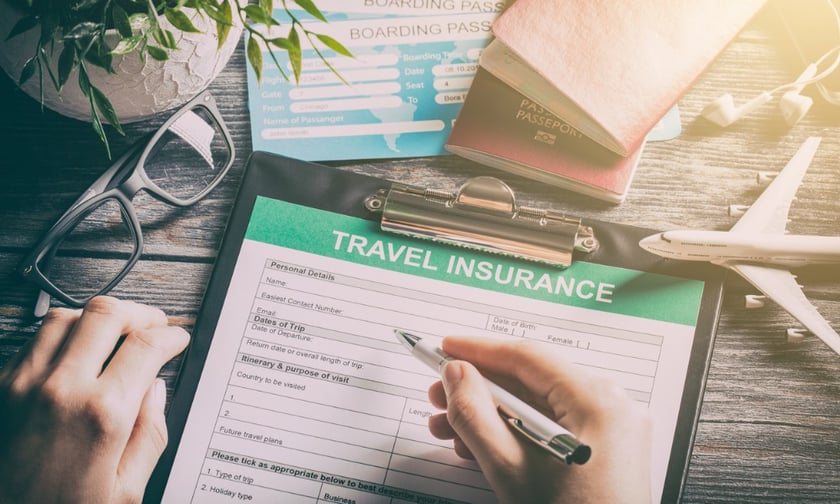
You have options for where you get care overseas. You can get care at military hospitals and clinics, if space is available. You may also get care from civilian providers, as described in the TRICARE For Life Handbook. You can use the Overseas Provider Directory to find an International SOS network provider near you. International SOS is the TRICARE Overseas Program administrator. If you see a civilian provider, be prepared to pay up front. Be sure to ask the provider for an itemized bill and be sure to keep your receipt as proof of payment. If you’re traveling overseas, you may want to consider buying travel insurance if you don’t want to pay up front for health care.

If you live in or travel to the Philippines, you must get care from a Preferred Provider or Certified Provider. If you need to get emergency care in the Philippines, go to the nearest emergency facility. Contact Global 24 Network Services before leaving the facility, preferably within 24 hours or the next business day, to coordinate continued care. Global 24 Network Services is a subcontractor of International SOS.

After you pay for care, you can file a claim with International SOS for reimbursement. You must submit proof of payment with all claims for care you receive overseas. Additionally, you must file claims with the claims processor for the overseas areas where you got care. Remember to file within three years of either the date of service or the date of inpatient discharge. Contact your TRICARE Overseas Program Regional Call Center and choose option 2 for claims assistance.

There may be no limit on the amount TRICARE nonparticipating, non-network providers charge you overseas. Keep in mind, you’re responsible for paying your deductible, cost-shares, and any amount that exceeds the TRICARE-allowable charge.

TFL makes it easy to get your prescriptions overseas. You can fill prescriptions at military pharmacies or through TRICARE Pharmacy Home Delivery, where available. Use the Find a Military Hospital or Clinic tool to find nearby military pharmacies.

Non-network overseas pharmacies can also fill your prescriptions. In this case, you’ll pay the full cost up front and file a claim with International SOS for reimbursement. Be sure to submit proof of payment with all overseas pharmacy claims. This includes an itemized bill or invoice.

No matter where you live or travel, TRICARE For Life has you covered. Check out the TRICARE For Life Handbook and the TRICARE For Life Cost Matrix to learn more.

Would you like the latest TRICARE news sent to you by email? Visit TRICARE Subscriptionsand create your personalized profile to get benefit updates, news, and more.

Travel insurance payouts hit record high in 2023

Travel insurance payouts hit record high in 2023


Travel insurance payouts hit record high in 2023 | Insurance Business America


How much do insurers pay on average?

Travel insurance payouts hit record high in 2023

Travel

By Mika Pangilinan

The travel insurance sector saw a 30% uptick in the total value of claims paid out to policyholders in 2023.

Travel insurance marketplace Squaremouth.com says this is a historic peak, with payouts averaging at $1,900 per claim.

Additionally, the amount reimbursed to travelers on average was six times the cost of purchasing a travel insurance policy.

Nearly half of the claims paid in 2023 were for trips that had been canceled or cut short, according to Squaremouth.

Trip cancellation claims alone constituted 25% of all claims, with an average payout of around $5,000. Following closely were emergency medical claims, which accounted for 24% of the total.

Claims related to travel delays and missed connections made up nearly another quarter of the reimbursements.


Claim Type by Benefit

% of Claims

Highest Claim

Avg. Claim

Trip Cancellation

25%

$49,427.92

$4,854.22

Emergency Medical

24%

$48,380.33

$1,456.24

Travel Delay

14%

$3,398.75

$473.71

Trip Interruption

13%

$58,607.58

$2,782.68

Missed Connection

9%

$2,168.26

$471.69

Cancel For Any Reason

6%

$25,620.00

$2,111.13

Baggage Loss

5%

$1,439.88

$208.18

Baggage Delay

4%

$649.88

$207.51

Medical Evacuation

<1%

$27,592.34

$10,838.83

Evacuation claims, although less frequent, emerged as the costliest, with average payouts surpassing $10,000.

Another key trend in 2023 was the increase in reimbursements under the Cancer for Any Reason (CFAR) benefit, which is an optional add-on to some policies.

The average reimbursement for CFAR claims was reported at $2,111. The highest payout reached over $25,000, which is double the maximum payout recorded in 2022.

What are your thoughts on this story? Feel free to share your comments below.

Related Stories


Bhutan Travel Insurance: Bhutan removes mandatory travel insurance requirement for tourists

Bhutan Travel Insurance: Bhutan removes mandatory travel insurance requirement for tourists

Bhutan Travel Insurance: Bhutan removes mandatory travel insurance requirement for tourists

Bhutan’s Department of Tourism has announced a notable change by removing the mandatory travel insurance requirement for tourists. Initially introduced during the COVID-19 pandemic to cover unexpected emergencies, especially medical expenses related to the pandemic, this requirement is now being lifted as the situation improves and as part of efforts to make travel experiences smoother.

8 hill stations to visit in North India to escape Delhi's heatwave!

8 hill stations to visit in North India to escape Delhi’s heatwave!

FacebookTwitterPintrest


The decision aims to streamline travel procedures and make the process more convenient for tourists visiting the country. While the mandatory requirement for travel insurance has been withdrawn for visa processing, the department still encourages tourists to possess travel insurance as a precautionary measure. This is to ensure they are comprehensively covered in case of any unlikely emergencies associated with international travel.

Bhutan removes mandatory travel insurance requirement for tourists

By removing the mandatory travel insurance requirement, Bhutan hopes to simplify the visa application process and encourage more visitors to explore its unique culture, landscapes, and heritage. This adjustment reflects Bhutan’s commitment to providing a welcoming and hassle-free experience for tourists while maintaining the necessary precautions for their safety and well-being.

Is Bhutan visa-free for Indians?

Indian passport holders enjoy visa-free travel to Bhutan due to the strong diplomatic ties between the two countries. Bhutan is one of the few nations that shares a border with India, maintaining excellent relations.

Also read: Madhya Pradesh: Heart of India has the largest number of national parks

Bhutan removes mandatory travel insurance requirement for tourists

Do we need an entry permit to visit Bhutan?

Indian passport holders planning to visit Bhutan are required to obtain an entry permit from the Immigration Office in Phuentsholing. This permit, valid for a period of 7 days, is necessary for travelers entering Bhutan by road and must be presented at every checkpoint along the way for verification. However, those intending to extend their stay beyond the initial 7 days need to visit the immigration office in Thimphu and apply for an extension of the permit’s validity. Thimphu is the capital of Bhutan and serves as the administrative center where such extensions can be processed. This process ensures that visitors can enjoy their stay in Bhutan without any hassles while adhering to the country’s immigration regulations.

The entry permit issued by the Bhutan Immigration Department for Indian citizens is provided at no charge.

Also read: Baltic Sea, and the mystery behind the discovery of UFO-like structure with stairs

ICA highlights importance of travel insurance ahead of Easter holidays

ICA highlights importance of travel insurance ahead of Easter holidays


ICA highlights importance of travel insurance ahead of Easter holidays | Insurance Business Australia


Advice backed by research revealing concerning trends

ICA highlights importance of travel insurance ahead of Easter holidays

Travel

By Roxanne Libatique

As Easter holiday plans take shape, the Insurance Council of Australia (ICA) is emphasizing the need for Australians traveling abroad to secure travel insurance.

This advice is backed by recent data revealing a notable trend: a significant portion of travelers might embark on their overseas journeys without this key protective measure.

Australian travelers consider ditching insurance

Research conducted jointly by the ICA and the Department of Foreign Affairs and Trade’s Smartraveller service indicated that 41% of Australians would entertain the idea of ​​international travel without the safeguard of travel insurance. The study further showed that on their latest trip abroad, 16% of participants did not have travel insurance coverage.

The ICA survey identified various reasons for foregoing travel insurance. For some, 24% felt assured by the safety of their chosen destination, while 27% questioned the necessity of insurance. A small fraction, 4%, considered their travel duration too short to justify the need for insurance.

The findings also reveal that while 44% of travelers consulted Smartraveller for guidance before their trips, 10% were willing to visit places despite official advisories against such travel.

Importance of travel insurance

The ICA emphasized the importance of arranging for travel insurance prior to departure, advising travelers to diligently review their insurance policies’ terms and conditions and to rely on Smartraveller for the latest travel recommendations.

ICA CEO Andrew Hall highlighted the approach of school holidays as a critical moment for ensuring adequate travel insurance coverage.

“School holidays will be here before we know it, so now is the time to ensure you have the proper insurance coverage if you’re planning an overseas trip,” he said. “We hear of too many stories of families facing financial hardship due to medical emergencies or accidents overseas, simply because they don’t have travel insurance.

“Travel insurance is as vital as your passport. We encourage everyone planning a trip to purchase travel insurance well in advance and to carefully read the terms and conditions.”

Related Stories


Mexico travel advice – GOV.UK

The Foreign, Commonwealth & Development Office (FCDO) provides advice about risks of travel to help British nationals make informed decisions. Find out more about FCDO travel advice.

Areas where FCDO advises against all but essential travel

Your travel insurance could be invalidated if you travel against FCDO advice. Consular support is also severely limited where FCDO advises against travel.

State of Baja California

FCDO advises against all but essential travel to the city of Tijuana, except:

  • airside transit through Tijuana airport
  • the Cross Border Xpress bridge from the airport linking terminals across the Mexican-US border
  • the federal toll road 1D and Via Rápida through Tijuana to the border

FCDO advises against all but essential travel to the city of Tecate in Baja California (including roads between Tijuana and Tecate)

Note: FCDO does not advise against all travel or all but essential travel to any part of the state of Baja California Sur.

State of Chiapas

FCDO advises against all but essential travel to within 40km of the Guatemalan border between the Pacific Coast up to and including the border crossing at Gracias a Dio

FCDO advises against all but essential travel on Federal Highway 199 (Carretera Federal 199) between Rancho Nuevo (just outside San Cristobal de las Casas) and the Chancalá junction just outside Palenque (where Federal Highway 199 meets Federal Highway 307).

State of Chihuahua

FCDO advises against all but essential travel to the state of Chihuahua, except:

  • the city of Chihuahua
  • the border crossing in Ciudad Juárez (accessed by federal toll road 45)
  • federal toll road 45D connecting the cities of Chihuahua and Ciudad Juárez
  • the Copper Canyon rail route to and from Chihuahua and towns immediately on this route including Creel
  • the road from Creel via San Juanito to San Pedro
  • state highway 16 from San Pedro to Chihuahua

State of Colima

FCDO advises against all but essential travel to the state of Colima, except:

  • the city of Manzanillo is accessed by sea or air via the Manzanillo-Costalegre International Airport

State of Guanajuato

FCDO advises against all but essential travel to the areas southwest of road 45D.

State of Guerrero

FCDO advises against all but essential travel to the state of Guerrero, except:

  • the town of Zihuatanejo/Ixtapa accessed by air.

State of Jalisco

FCDO advises against all but essential travel to the areas south and southwest of Lake Chapala to the border with the state of Colima.

FCDO advises against all but essential travel to the northern municipalities of:

  • Bolaños
  • Chimaltitan
  • Colotlan
  • Hostotipaquillo
  • Huejucar
  • Huequilla el Alto
  • Mezquitic
  • San Martin de Bolaños
  • Santa Maria de los Angeles
  • Totatich
  • Villa Guerrero

State of Michoacán

FCDO advises against all but essential travel to the state of Michoacán, except:

  • the city of Morelia accessed by federal toll roads 15D, 126 and 43; and the federal toll road 48D between the city of Morelia and the General Francisco Mujica airport
  • the town of Pátzcuaro accessed by federal toll roads 14D and 15 from Morelia, and boat trips out to islands on Lake Pátzcuaro
  • the Federal Highway 15D

State of Sinaloa

FCDO advises against all but essential travel to the state of Sinaloa, except:

  • the cities of Los Mochis and Mazatlán
  • road 32 that runs between El Fuerte and Los Mochis
  • the 15D federal toll road that runs the length of the state
  • the Copper Canyon rail route to and from Los Mochis, El Fuerte and the towns immediately on this route

State of Tamaulipas

FCDO advises against all but essential travel to the state of Tamaulipas, except:

  • the border crossing at Nuevo Laredo is accessed by federal toll road 85D from Monterrey
  • Federal highways 80, 81 and 85 between Tampico, Ciudad de Victoria and Magueyes, and the entire area of ​​Tamaulipas south of these highways.

State of Zacatecas

FCDO advises against all but essential travel to the state of Zacatecas.

Before you travel

No travel can be guaranteed safe. Read all the advice in this guide and any specific travel advice that applies to you:

Travel insurance

If you choose to travel, research your destinations and get appropriate travel insurance. Insurance should cover your itinerary, planned activities and expenses in an emergency.

Travel insurance delays could prove costly during school holidays – 1Cover

Travel insurance delays could prove costly during school holidays – 1Cover


Travel insurance delays could prove costly during school holidays – 1Cover | Insurance Business Australia


The data highlights a worrying trend

Travel insurance delays could prove costly during school holidays – 1Cover

Travel

By Roxanne Libatique

As school holidays progress across Australia, industry experts are raising concerns over a widespread issue among travellers: procrastination in purchasing travel insurance.

Recent figures released by 1Cover revealed an increasing trend where a significant number of Australians are obtaining their travel insurance just before their trips commence.

Notably, 28% of travelers secure a policy only three days prior to departure, and nearly 40% acquire their insurance less than a week in advance. Remarkably, 9% wait to buy insurance on their departure day.

Consequences of last-minute travel insurance purchases

Natalie Smith, a spokesperson for 1Cover, highlighted the risks associated with last-minute insurance purchases.

“Our data reaffirms what we have known for some time: too many Aussies are buying travel insurance at the last minute,” she said.

According to Smith, this delay exposes travelers to potential financial losses, particularly if they need to cancel their trip unexpectedly due to illness or family emergency. Without prior coverage, travelers may struggle to reclaim prepaid costs from airlines or travel agencies.

Smith emphasized the advantages of securing early travel insurance.

“Purchasing a travel insurance policy immediately after booking your airfares and accommodation can offer coverage in case you need to cancel your trip due to unforeseen circumstances. Conversely, travel providers are usually unlikely to refund your prepaid costs if they are not obliged to do so,” she said.

Evaluating travel insurance: a cost-benefit perspective

Smith cautioned travelers against selecting policies based solely on price, particularly in a climate of rising travel expenses.

“As travel costs rise, Aussies scrimping on their travel insurance policies should carefully consider the value of comprehensive cover when heading overseas,” she said. “Comparing policies is a smart option when seeking savings. However, choosing a policy purely based on price can be costlier in the long run. If you experience a medical emergency or cancellation on holiday, opting for a cheap policy may not comprehensively cover your expenses. Pay close attention to your policy details as coverage may not be sufficient for your needs.”

“We cannot stress enough the importance of travel insurance. While travel insurance costs have risen, the price of a medical emergency abroad can surpass those costs by more than 10 times. Never assume it won’t happen to you,” she said.

Related Stories