Along with the increase in the tourism sector and a surge in passenger traffic in various modes of transportation, the Mastercard Economics Institute (MEI) noted that the global tourism sector will develop rapidly in 2024. This is certainly good news amidst news about money exchange rates in several countries which are still fluctuating. .
MEI expects this momentum to continue, as the majority of consumers around the world prioritize experience or an unforgettable experience, as well as allocating more budget for travel.
By using unique analysis of various Mastercard transaction data that has been grouped and anonymized, including from SpendingPulseTM Mastercard and third party data, MEI also prepared a report entitled “Travel Trends 2024: Breaking Boundaries.”
The report explores key tourism trends in 2024, and is expected to provide comprehensive insight into the development of the tourism industry landscape in 74 countries, including 13 countries in the Asia Pacific region.
MEI Chief Economist for Asia Pacific, David Mann, said that his party helps businesses and policymakers translate macroeconomic forces and data insights into strategies that can be executed at the country and company level.
1. Tourist destinations in Asia Pacific are increasingly popular
Portrait of Ulun Lake Beratan Temple in Bali (unsplash.com/mrqs_g)
Various countries in the Asia Pacific region have increasingly shown their popularity in the last 12 months. In the report Travel Trends 2024: Breaking Boundaries, There are 10 countries in the world that are listed as Trending Tourism Destinations, namely Japan, Ireland, Romania, Italy, Spain, Malaysia, Australia, South Korea, United Arab Emirates and Indonesia. Six of the 10 countries are in the Asia Pacific region.
This is influenced by passenger traffic in the Asia Pacific region becoming increasingly capable, especially for shorter inter-regional trips. For example, traveling from Singapore to Bangkok, Kuala Lumpur, or Jakarta.
David Mann reveals the character of consumers or tourists in Asia Pacific. “Consumers in Asia Pacific have a strong desire to travel and are increasingly smarter in getting the best (accommodation) prices,” he said at the report launch event Travel Trends 2024: Breaking Boundaries virtually on Thursday (16/5/2024) via Zoom. “They want an unforgettable experience on every trip they make.”
2. Leisure for Longer is a trend in the Asia Pacific region
Continue reading the article below
Editor’s picks
Illustration of tourists relaxing (unsplash.com/bettenz)
Leisure for longer or extending the trip is a trend that many tourists do. Across the world, tourists are extending their trips on average by around one day compared to normal times before the Covid-19 pandemic.
The Middle East and Africa (MEA) and Europe regions are the countries that benefit most from this trend, with around two additional days spent in the destination country. In contrast, the United States has benefited less from this new trend, seeing a smaller increase in travel length.
Meanwhile, tourists in the Asia Pacific region (excluding Australia and New Zealand) are extending their trips by an average of 1.2 days to a total duration of 7.4 days in 2024, longer than the 2019 average of 6.1 days per trip. In Indonesia, tourists extended their vacation time by 1.9 days.
Trends Leisure for Longer This is influenced by several factors, such as destination affordability, warm weather, and favorable exchange rates. The longer tourists spend in a place, the more money they will spend there. Of course this has a positive impact on the local economy.
Also Read: [QUIZ] Choose Sydney or Melbourne, this is the right tour for you!
3. Experience-oriented activities are preferred
Illustration of tourists climbing a mountain (unsplash.com/toomastartes)
Global consumers prioritize experiences over materials. This can be seen in the tourism sector with spending on experience or experience and nightlife or night entertainment reaches 12 percent of tourism sales. This figure is the highest in the last five years. Meanwhile, retail spending shows a slower trend.
In the report Travel Trends 2024: Breaking Boundaries, Australian tourists are said to be the group with the highest spending in the world on activities experience And nightlife. In 2024, Australians will spend 1 in every 5 dollars (19 percent) on experience And nightlife, much higher than the global average (12 percent).
So, those are some of the 2024 tourism trends that are increasingly popular with many people based on reports Travel Trends 2024: Breaking Boundaries from the Mastercard Economic Institute. Are you someone who follows the trend above?
Also Read: [QUIZ] On holiday to America or Australia, you are suited to holiday here
What comes to your mind about Saudi Arabia? A country in the Middle East that is home to a number of holy places for Muslims. The country is synonymous with Islamic law and is one of the largest oil producers in the world.
Behind its conservative and religious image, it turns out that Saudi Arabia has a surprising dark side. Especially in recent years, after tourism became one of the sectors to increase state income besides oil.
What do you think the dark side of Saudi Arabia looks like for tourists? Come on, check out the review!
1. Restrictions on freedom of expression and photography
illustration of tourists taking photos in a crowd (unsplash.com/jakobowens1)
You need to understand that Saudi Arabia is a monarchical country which is different from democratic principles like in Indonesia. Even though you come as a tourist, you cannot carelessly provide reviews, criticism, or photograph the objects you encounter while there. In fact, his government is often said to be anti-criticism.
Reported Conde Nast Traveler, tourists are unlikely to write critical opinions about the Kingdom of Saudi Arabia. It is important to note that criticizing the government, royal family, or Islam verbally, in writing, or on social media is an illegal act. Politics, religion and sex should not be discussed in public or on line.
You need to know that swearing at someone and using dirty words is considered an offense that can be subject to a fine. Rude body language is also a taboo subject that is considered an offence. So, you need to be careful with every word and action while traveling.
The most common violation committed by travelers in Saudi Arabia is taking photos without permission. Don’t take random photos of anyone, especially women without permission, take photos of accidents or crimes. Because it is considered illegal and can be fined up to 1,000 Saudi Riyals (Rp. 4,257,145).
Be careful when taking photos in crowds, such as traditional markets. Because, this place is easy to take someone’s photo accidentally. It’s a good idea to ask permission first before doing so hunting Photo.
You need to remember that being a tourist means being a guest. You must follow the rules of the country you are visiting. Like freedom of expression which is often thought to not exist in that country.
2. Restrictions for non-Muslim visitors
Jeddah, Saudi Arabia (unsplash.com/i_alorabi)
After King Salman bin Abdulaziz Al-Saud’s son, Muhammad bin Salman (MBS) became Prime Minister, Saudi Arabia became increasingly open to tourists from various countries. In fact, they also collaborate with European countries and the United States. However, restrictions still exist for non-Muslim visitors.
Mecca remains the only city forbidden to non-Muslim tourists. As is known so far, Mecca and Medina are the two holiest cities for Muslims to perform the Hajj and Umrah. Millions of pilgrims will travel to Mecca each year and require religious visas.
Non-Muslims can still visit Saudi Arabia, but it’s best to choose a destination outside Mecca. If you are non-Muslim, but are interested in visiting Islamic religious tourism, you can visit Jeddah. There are four mosques that allow non-Muslims to enter, such as the Al Taqwa Mosque, the Al Rahmah Mosque on the Red Sea, the King Fahad Mosque, and the King Saud Mosque.
Culture shock What you can experience, especially for non-Muslims, is that shops and restaurants will close for 15-30 minutes when it is time for the five daily prayers. Although the new law allows many shops to remain open at that time. Playing music in the car or even at home during prayer is illegal.
Also Read: 5 Unique Facts about Al Ula in Saudi Arabia, which is Called the Cursed City
3. Shrouded in negative human rights issues
traditional houses around Souq Al-Alawi, Al-Balad, Jeddah (2008) (commons.wikimedia.org/Jpatokal)
Many countries in the Middle East are often associated with negative issues of gender inequality and human rights. Even influential countries in the Middle East, like Saudi Arabia, are not immune from this issue. The world view of human rights in Saudi Arabia has gotten worse since Muhammad bin Salman took office, especially by western countries.
Reported Amnesty International UK, more than half a million people in Jeddah have been forcibly evicted and their homes destroyed. The aim is to become a hotel and luxury building. It can indeed support the tourism sector, but it is a nightmare for the indigenous people who already live there.
Saudi Arabia executed 196 people in 2022. The largest mass execution in recent decades, authorities killed 81 people in one day. The country is ranked 2nd highest in the use of the death penalty. Pity!
The court is considered to be arbitrarily giving sentences, especially to foreign citizens. Detainees and migrant workers often experience acts of violence. The majority of the victims were Ethiopian and Yemeni.
Continue reading the article below
Editor’s picks
As previously explained, Saudi Arabia is known as an anti-criticism government. The murder case of journalist from Saudi Arabia based in the United States, Jamal Khashoggi after criticizing the Saudi Arabian government, shocked the world. His body was found in the garden of the Saudi Consul General’s house in Istanbul, Türkiye.
4. A number of regulations were removed to attract tourists
Riyadh, Saudi Arabia (commons.wikimedia.org/B.alotaby)
So far, Saudi Arabia has had the impression of being pious in the eyes of Muslim-majority countries, such as Indonesia. Now, you can think about it again and explore further. In fact, Saudi Arabia has relaxed and even removed a number of regulations to attract tourists.
Under the leadership of Prince MBS, Saudi Arabia will become a moderate and increasingly liberal Islamic country. Unfortunately, many new regulations are considered to be contrary to Islamic law. For non-Muslim countries this will be considered part of innovation and openness in the modern era, but for Muslim-majority countries it can be considered another dark side.
Previously, the rules regarding women’s rights in Saudi Arabia were very strict. Now, it has become looser and is still within reasonable limits for some people. Women have more freedom to leave the house, drive, and work in various sectors.
During this time women were prohibited from watching matches, fashion shows, and live concerts. Now there are no longer any restrictions for women to carry out these activities. Even several world artists, such as Nicki Minaj, Black Eyed Peas, Jason Derulo, and Super Junior
Previously, wearing tight clothing and wearing bikinis on the beach was prohibited. A number of commercial beaches in Saudi Arabia allow women to wear bikinis and other revealing clothing. In fact, tourists can pay for tickets at private beach to freely play in the water, dance and listen to music.
Cinemas reopened in Riyadh in 2018. The boundaries between men and women are getting thinner. In fact, nightclubs also opened in Saudi Arabia the following year, giving the country a glamorous feel.
5. Historical sites are destroyed for the sake of development
Abraj Al-Bait and the Kaaba (unsplash.com/konevi)
Another dark side that makes you shake your head is the many historical sites that have been destroyed for development. Reported Qantara, in 2021 large-scale demolitions were carried out in downtown Jeddah and several other areas. Many residential areas, apartments and supermarkets were demolished.
The local government claims that it wants to clean up the “slum” area. Areas south and east of the old town, Balad, parts of which have been designated as UNESCO World Heritage Sites were affected. Architect Atef Alshehri has another view, the slum area in question is an environment that grows organically. They do not conform to modern urban planning principles, for example around Balad.
The area around Balad is inhabited by low-income families, in contrast to the area north of Jeddah which is dotted with luxury restaurants. Their ancestors came from southern Arabia, migrating from the African continent. They came as slaves or on the pilgrimage, then settled permanently outside Jeddah.
Reported The Art Newspaper, urban planning in Saudi Arabia not only has political and economic goals, but also the Wahhabi ideology adhered to by the kingdom. At least 90 percent of old areas in cities holy to Muslims have been demolished to make way for hotels, shopping malls and apartment blocks. This has been happening for decades, unfortunately public protests will not be visible in anti-criticism countries and demonstrations or similar are considered illegal.
Recent documentation will be difficult to find and has been carefully censored. News related to this damage also rarely appears, including in the British, American press and other international media. More concerning, the eviction of cultural heritage there has been authorized and planned by state authorities.
Development projects turned Mecca and Medina into cities without a past. Historic architectural elements and important sites have undergone many changes. Instead, it is dominated by modern skyscrapers. Although the aim is to increase the capacity of Hajj pilgrims, which increases every year.
The remains of the Ottoman historic center of Mecca and the Islamic sites within it were lost following the expansion of construction. The house of Hamzah, the Prophet Muhammad SAW’s uncle, which was more than 1,300 years old, was destroyed and converted into a hotel. The house where the Prophet was born, which existed since 570 AD, has also been demolished to make way for a skyscraper.
There are many more sites related to the Prophet’s family affected by development towards a modern city. The house of Khadijah, his first wife, the tomb of his daughter, Fatimah in Medina, and the tomb of his nephew, Hasan ibn Ali, were destroyed in the 1920s. The ancient house of Rasulullah’s father-in-law was torn down and the Hilton Hotel stood.
There is still more, the Ajyad Mecca Fort which was built by the Ottomans in 1780 on a hill overlooking the Grand Mosque was destroyed. Then, Abraj Al-Bait was built which became one of the tallest buildings in the world. Its functions are varied, including as a hotel, shopping center, astronomy museum, and viewing tower that can see the Grand Mosque and the Kaaba.
While Saudi Arabia can boast seven UNESCO World Heritage Sites, none of them are Islamic monuments. Such as Al-Ahsa Oasis (2018), Al-Hijr Archaeological Site (2008), At-Turaif District (2010), Hima Cultural Area (2021), Jeddah which is the gateway to Mecca (2014), Rock Art in the Hail area (2015 ), and the Uruq Bani Mu’raid Protected Area (2023).
Saudi Arabia, especially Jeddah, can look like Dubai and is full of modern, futuristic buildings. However, historic buildings are increasingly being eroded and could make the country lose its identity. Moreover, the local government is aggressively pursuing future city ambitions, NEOM and Saudi Vision 2030 which could add to the negative impact.
Now you know the dark side of Saudi Arabia for tourists. Currently, the country is more open to individual and non-Muslim tourists. However, behind the luxurious accommodation that you can enjoy, there are local residents and lost historical sites. What do you think?
Also read: 10 tourist destinations in Saudi Arabia that must be visited during Umrah
IDN Times Community is a media that provides a platform for writing. All written work created is the sole responsibility of the author.
Charleston, South Carolina, has once again enchanted Travel + Leisure readers, winning the top spot in the 2023 World’s Best Awards’ favorite cities in the US category for the 11th year in a row. Last year, the South Carolina city earned a coveted spot in the WBA Hall of Fame.
Readers especially loved Charleston’s thriving culinary scene and easy walkability, all done with Southern charm.
Sean Pavone/Getty Images
The dining scene, of course, highlights Southern cuisine, with fried green tomatoes, shrimp and grits, hush puppies, and she-crab soup as staples. Charleston’s must-try dishes include the okra soup at Bertha’s Kitchen; biscuits from Callie’s Hot Little Biscuits; deviled crabs from Dave’s Carry-Out; and crab rice from Hannibal’s Soul Kitchen.
Taylor McIntyre/Travel + Leisure
The restaurant hype continues to surge with several new openings in the last few years, such as Bevi Bene Brewing; Sorelle, which just opened in February 2023 with a wine room and a pizza counter; and Raw Lab, an omakase-style raw bar. Perhaps the biggest restaurant news of this year is the opening of Filipino restaurant Kultura, by Chopped champion Nikko Cagalahan, who just started welcoming diners this month.
Other additions to the Charleston culture scene include the long-awaited International African American Museum in June 2023. The luxury offerings are also on the rise, with a new Soho House coming in next year.
The new hot spots add a fresh perspective to a city steeped in history — another aspect that resonates with T+L readers. Fort Sumter National Monument; Historic Charleston City Market; Patriots Point Naval & Maritime Museum; Magnolia Plantation and Gardens; Boone Hall Plantation & Gardens; and Rainbow Row all offer a look into Charleston’s past. The Charleston Heritage Federation preserves its history through centuries-old homes and museums, while the Historic Charleston Foundation holds an annual Festival of Houses and Gardens in the spring for an inside look at some of the nation’s most beautiful homes.
Google’s Most-Searched Travel Destinations Of 2023: The year 2023 is about to end within a few weeks and all of us are eagerly waiting to welcome the new year 2024 with hearts full of hopes and new ambitions. It is that time of the year when the majority of us plan much-awaited trips with our loved ones to end the year on a good note and begin 2024 with fun and jubilation. Traveling to different places across the globe with your loved ones is a different and wholesome experience. As the year’s end is approaching, we have curated a list of Google’s most searched travel destinations in India. You can take help from this list and decide your next holiday with your family and friends.
Google’s Most-Searched Travel Destinations Of 2023
1. Vietnam
Vietnam topped the list of the most searched destinations on Google this year. With stunning landscapes and delicious food, Vietnam has become the number one preference for travelers. Compared to other continents, this place is safe and friendly for travel. The best time to visit Vietnam is November to April when the weather is pleasant and will let you explore the place with much ease and comfort.
2. Goa
The second on the list is Goa which is mainly popular for its serene beaches and is a perfect holiday destination throughout the year. The nightlife of Goa is a must-have lifetime experience that will add unforgettable memories to your travel diaries. Major attractions of Goa include Bom Jesus Basilica, Fort Aguada, a wax museum on Indian culture, and a heritage museum.
3. Bali
Known as the ‘Land of Gods’, Bali exudes sheer nature and lets you enjoy quality time with your loved ones in the lap of mother nature. The beauty of blooming volcanoes in Bali will leave you mesmerized. The magical blend of nature, tropical weather and countless activities in the surface’s paradise will be worth the experience.
4. Sri Lanka
Sri Lanka stands fourth in Google’s most searched travel destinations of 2023. Known for being the largest producer of tea, Sri Lanka has a lot to offer to its tourists. The Dutch-style houses, heritage museums and Hiyare rainforest will leave you spellbound with their beauty.
5. Thailand
Fifth on the list, Thailand has everything that a traveler can ask for. The majestic views of tropical beaches and lush forests are a treat for the afternoon eyes. Thailand is home to popular destinations such as Phuket, Koh Phi Phi, Krabi, and Koh Samui.
6. Kashmir
Known as ‘heaven on Earth’, Kashmir took the sixth spot in the most-searched destinations of the year. The sacred places, frozen lakes, beautiful houseboats and drizzling snow make Kashmir a must-visit place once in a lifetime. The unparalleled beauty of Kashmir will make you want to visit this place again and again.
7. Coorg
Coorg is an ideal destination that is studded with beautiful waterfalls, forts, lakes, museums, and so much more to explore. Situated in Karnataka, Coorg is known as the most affluent hill station in the state.
8. Andaman and Nicobar Islands
Andaman and Nicobar Islands is a perfect place to spend time in nature’s natural beauty and engage in thrilling adventures. This place offers a perfect time in lush green landscapes, along with amazing cultural experiences.
9. Italy
Securing the ninth position, Italy made it to the most searched travel destinations list on Google. Amongst the most popular travel hotspots, Italy offers a multitude of experiences to enter into your travel diary. From delicious Italian cuisine to picturesque countryside roads, Italy will leave you spellbound.
10. Switzerland
Tenth on the list, Switzerland is synonymous with beautiful landscapes and picture-postcard destinations. You can immerse yourself in the Alpine climate and enjoy fun activities while exploring the place.
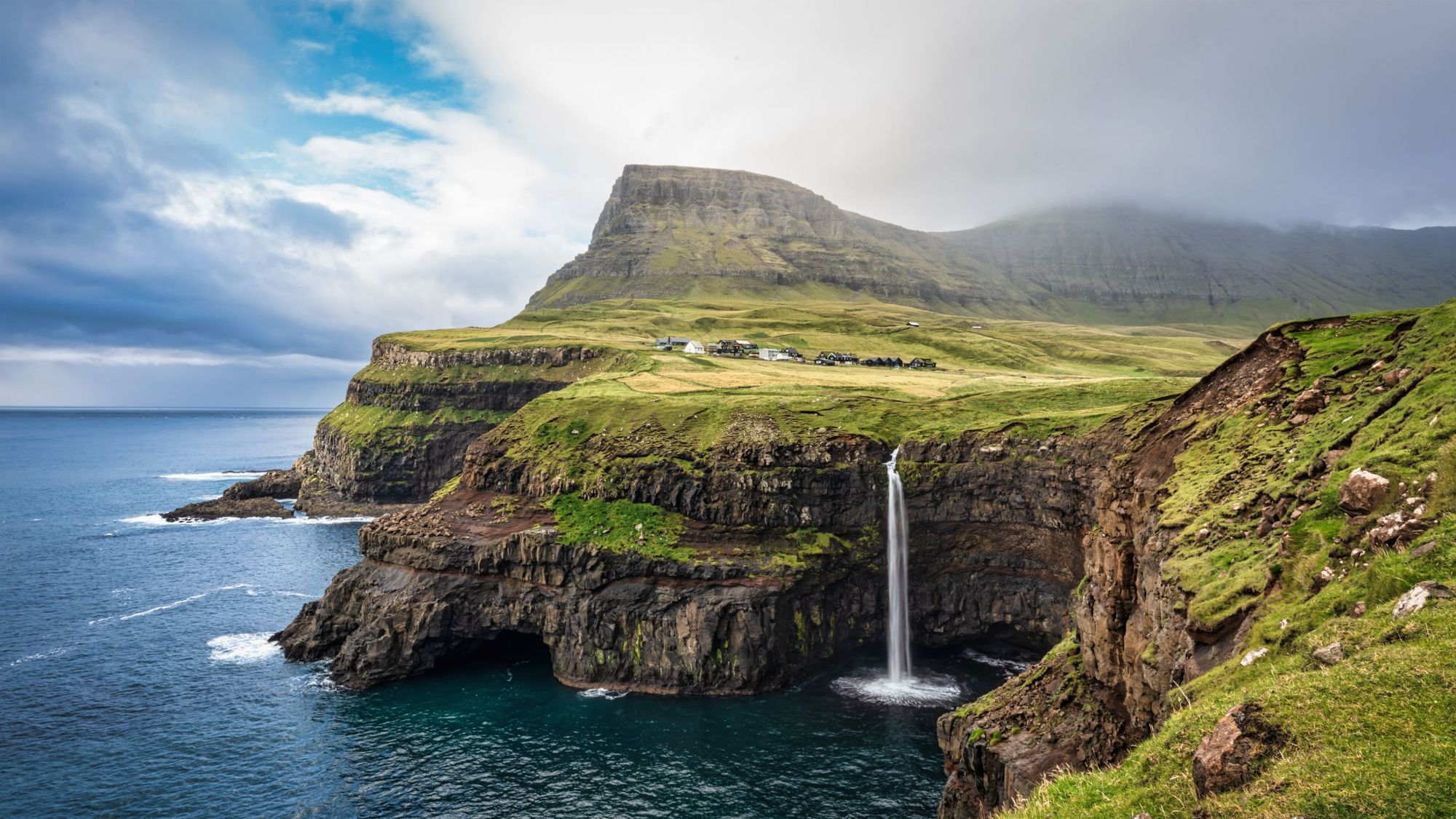
There is a much-photographed house in a mountain range in the Faroe Islands. It sits on the edge of a cliff, looking out over the Atlantic, and is surrounded by rolling greenery and rugged rock formations. The roof is covered in turf, a traditional feature which serves a practical purpose – soaking up some of the plentiful rain that falls here and providing insulation – but which also blends the house into the backdrop, making it particularly photogenic.
More people are going to rural settings than they ever have before, because geotagging has allowed people to see exactly where they can take beautiful photos.
“It’s a really beautiful house,” says Dr. Lauren Siegel of the University of Greenwich, who remarked on the building in a recently published paper on social media-induced tourism. “But the poor shepherd who owns it, and who has been living there for generations, now has to ensure there are no tourists standing outside taking photographs when he uses his toilet or shower.”
The plight of this shepherd came to light when the tourist board of the Faroes – an archipelago with a population of just over 50,000, and 110,000 annual visitors – surveyed locals about their feelings towards tourism. They found that for many, tourism provides a crucial source of additional income in an era where farming is becoming increasingly difficult. But they also found drawbacks – notably, the study states, “those who lived in specific photogenic locations had a greater tendency to experience incidents of photography-seeking travellers negatively impacting their daily lives and, in some cases, damaging their land.”
The Múlafossur Waterfall and Gasadalur village on Vágar Island, one of the most photogenic spots on the Faroe Islands. Photo: Getty
Social media is often cited as a major cause of overtourism, less to cities than to specific, remote spots – fuelled by the geotagging of aspirational influencers.
“With general overtourism, we tend to think about places like Venice or Paris; classic places that have always been popular,” says Dr. Siegel. “But when we’re talking about social media-induced tourism, there’s specific, really photogenic places that are now termed ‘Instagrammable’.”
Press releases go out each week highlighting the most ‘Instagrammable’ roads, beaches, cities, phone booths and so on. The idea is clear: that this is what people want; to travel around and get content for their Instagram.
Coast to Coast Traverse of Madeira | Much Better Adventures
Join an expert local guide on a hike across the peaks, cliffs and forests of this Atlantic island known as the ‘Hawaii of Europe’, including Pico Ruivo.
“Social media-induced travellers are not just visiting traditional tourist destinations, but increasingly going to really rural landscapes,” says Dr. Siegel. “Anything really, that meets this aesthetic – and these places are often not ready to accommodate this system of tourism.
“One of the biggest arguments for tourism is the economic revenue that it brings. But places that become popular suddenly on social media, all of a sudden, people flock there in the thousands – and they have no system in place. There’s no businesses there to get that economic revenue, and so visitors are bringing all the negative aspects of tourism – increased congestion, litter and waste; but spending no money. If there’s no system in place, it will increasingly lead to the deterioration of the quality of life in local communities.”
A New Trailhead
Given that Instagram was only launched in 2010, it’s astounding how much it’s changed travel. A huge 52% of consumers say they’ve made plans to visit a specific destination based on an image or video they saw on social media.
“It’s impacted travel enormously,” says Dr. Siegel. “It’s become really saturated into our daily lives; the travels of our social media connections. And therefore, people feel not only inspired but almost like they have to keep up with the travels that they’re seeing online. Travel has become a lot more popular, and more people are going to rural settings than they ever have before, because geotagging has allowed people to see exactly where they can take beautiful photos.”
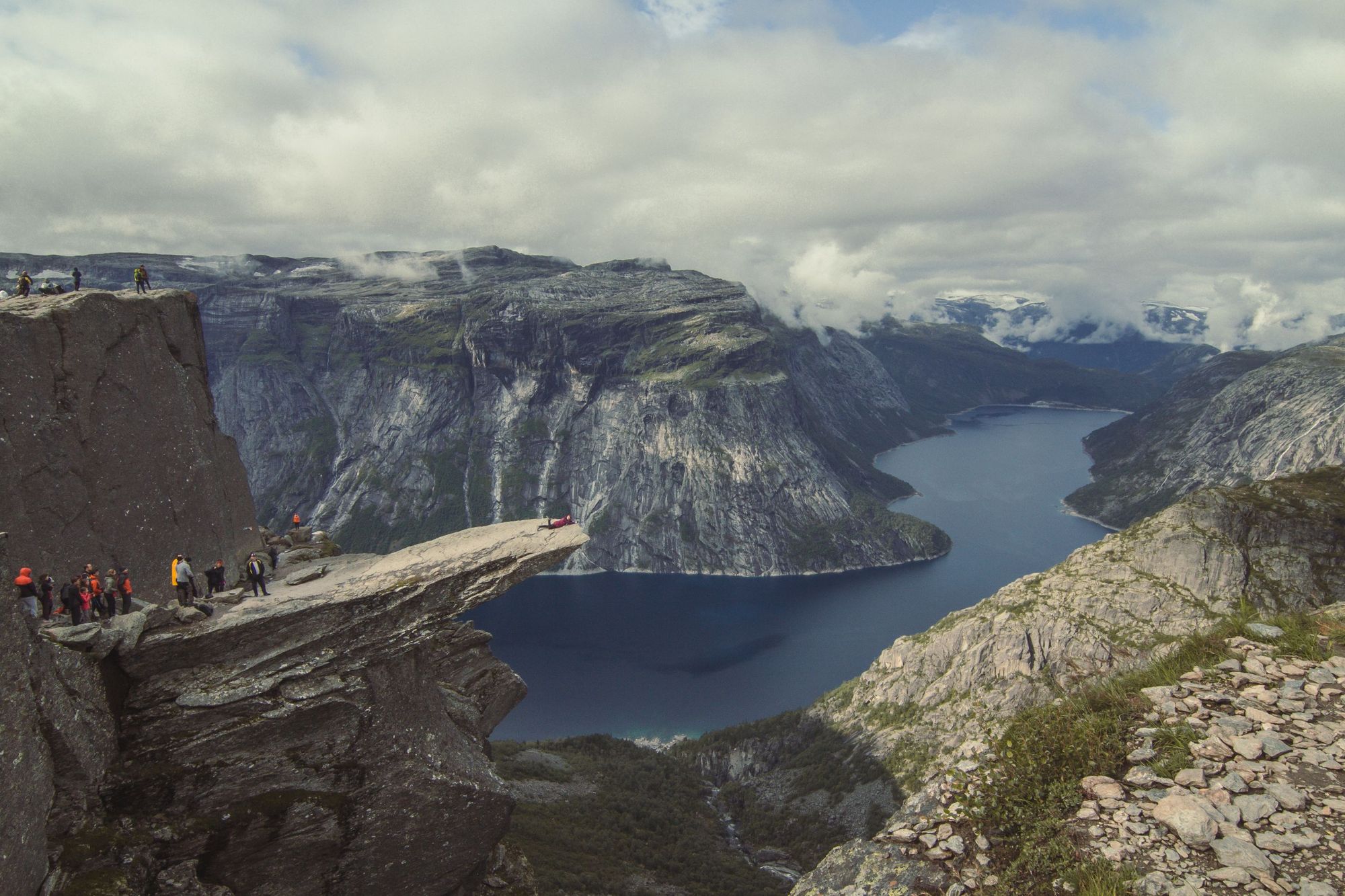
Hikers queue on the Trolltunga rock in Norway, waiting for their chance to take a photo alone on the rock. Photo: Getty
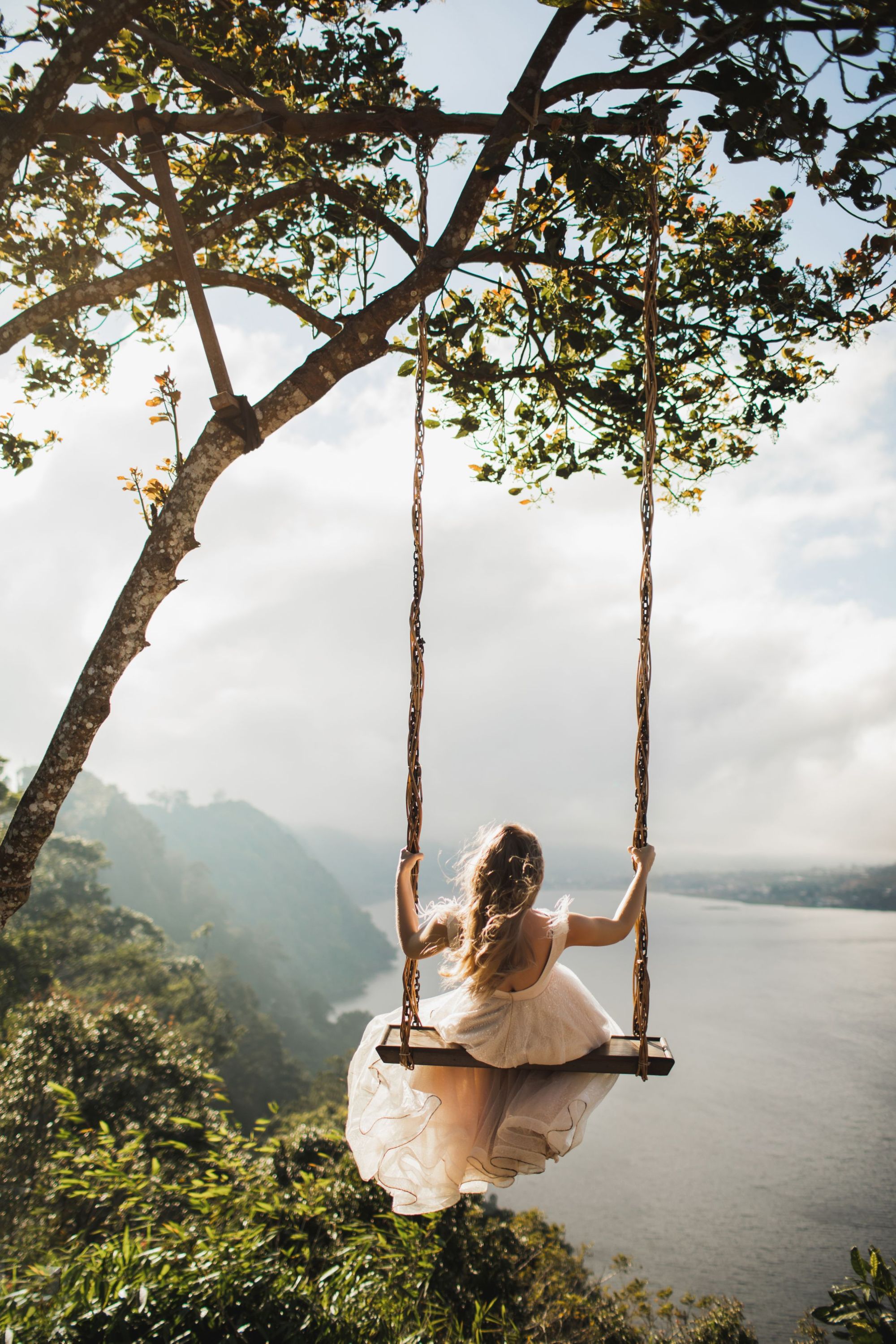
It’s now the norm to travel to very specific locations to take very specific photographs. The resulting photographs may show a traveller sitting alone on the rock of Trolltunga in Norway (which received 1,000 visitors in 2009 and 100,000 in 2019), or standing alone at the Gates of Heaven in Bali – but in reality, the photographer has probably had to queue to get that photo; a photo which then fuels further travel to this seemingly empty (but actually crowded) spot.
Instagram also hasn’t just changed the places we go, but how we behave there.
When one person finishes taking their photograph, another takes their place. Rather than the sounds of nature filling the air, it’s often the sound of a drone – and people are hiking to beauty spots with picnics (or even tents) which they have no intention of using for anything other than a photoshoot.
Is this good? Is this what anyone wants from travel – this activity hailed through centuries as the way to discover cultures, destroy prejudice and cleanse the soul?
They’re bringing photography equipment and long, large scale photoshoots are now unfolding in these really rural places.
Phones put a barrier between tourist and destination, actively preventing immersion. “All these apps are so helpful, but there’s a magic to having to engage with locals, and to noticing the nuances of culture; to really take in a landscape,” says Dr. Siegel. “If you’re looking at your phone, you’re not able to do that. It’s a beautiful piece of that travel process fading, and it is detracting from the ability of travellers to authentically connect with local communities and culture.”
Instead of becoming immersed in local life, this form of travel can disrupt it.
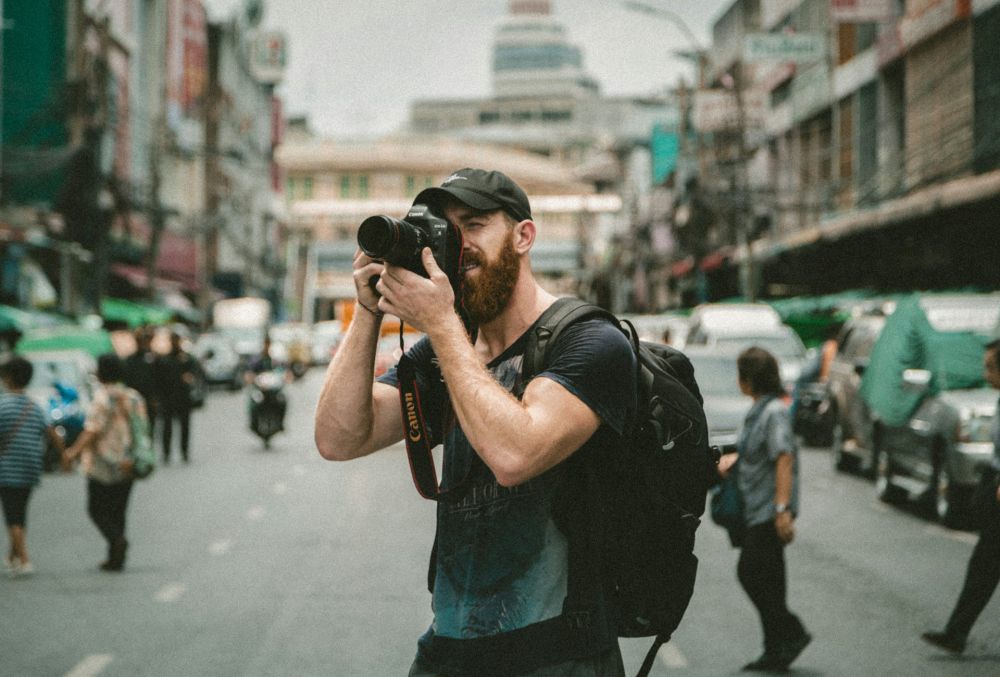
“People are dressing for the photo rather than the destination, and there can be a big disconnect there. They’re bringing photography equipment and long, large scale photoshoots are now unfolding in these really rural places.”
A slightly bizarre spot in Bali, at the undeniably beautiful Wanagiri Hidden Hills, home to a swing which is now famous on Instagram. Photo: Getty
To the extent where in the Faroes, a shepherd is now wary of using his toilet.
With queues comes litter, and sites known for quiet beauty become crowded, commercialised and loud. So… is it fair to say social media is ruining travel?
“It’s a social phenomenon, and I’m careful not to place too much personal blame, because I also take pictures when I travel,” says Dr. Siegel.
If we’re being honest, most people do. This is very much the norm now in travel.
“If you’re looking at something gorgeous, you want to remember it. So I’m guilty also of this paradox of wanting to capture the moment; and also trying to be present. But there’s an opportunity to be mindful and to try to balance documenting an experience with connecting with a culture, especially in these rural, photogenic places. Even just by trying to find out what local businesses you can support when you’re there.”
A Mountain Saga
Margrét Blondal has worked in Icelandic tourism for over 20 years. “I remember the day when we had more tourists in Iceland than people living here,” she tells me. “I don’t exactly remember when, but the population was around 200,000, and we had that many travellers. Today, the population is about 360,000 and we have two million travellers. For me, it’s too much. I want to protect nature – and also the experience people have here.”
Tourism was crucial in helping Iceland recover from the financial crisis in 2008. Then the infamous eruption of Eyjafjallajökull “put Iceland on the map”, Blondal says – and a visit from Justin Bieber accelerated the process.
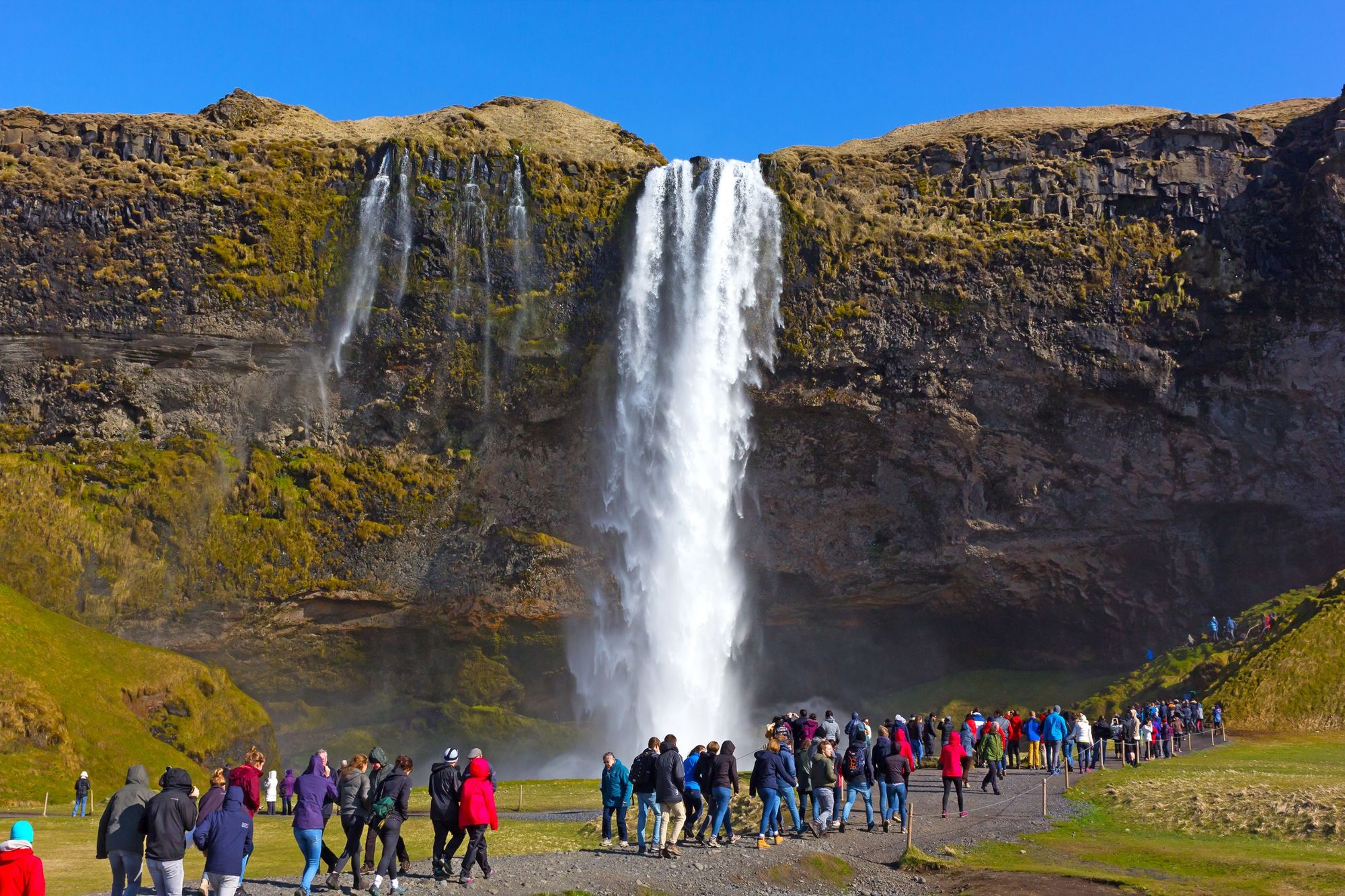
Crowds flock to the Skógafoss waterfall in the south of Iceland. Photo: Getty
“A lot of travellers now come just for a few days, to visit the main spots, but there are still a lot of unspoiled areas to explore,” says Blondal.
Once empty sites like the Skógafoss waterfall and Blue Lagoon have become incredibly crowded. And the crowds can lead to danger for tourists, as well.
When the Fagradalsfjall volcano erupted, tourists were walking on the lava for video content, ignorant of the fact that burning hot lava could be underneath, beneath a thin crust. And at the grey columns and blank sands of Reynisfjara, several tourists have even tragically died when ‘sneaker waves’ crashed in.
The 3 Peaks Challenge in Iceland | Much Better Adventures
Join expert mountain guides and a small group of adventurers on an epic summit-bagging expedition amidst the otherworldly scenery of Iceland.
“In the early days, people who came to Iceland wanted to go off the beaten track,” says Blondal. “They had been preparing to come for a long time; they had read books and had a good kit list – but now we have people coming to Iceland because it’s on their bucket list, and some only spend a few days here, and don’t want to spend much money. Before, people spent at least two weeks.
“The most negative impacts come from cruise ships. This year we had around 200 ships come in, with thousands of passengers. All of these people then want to visit the Golden Circle on day trips from Reykjavik, so we don’t benefit much from them. But the [ships] pollute, and then when other people come in and want to see the Golden Circle, they just see people everywhere. It’s a shame.”
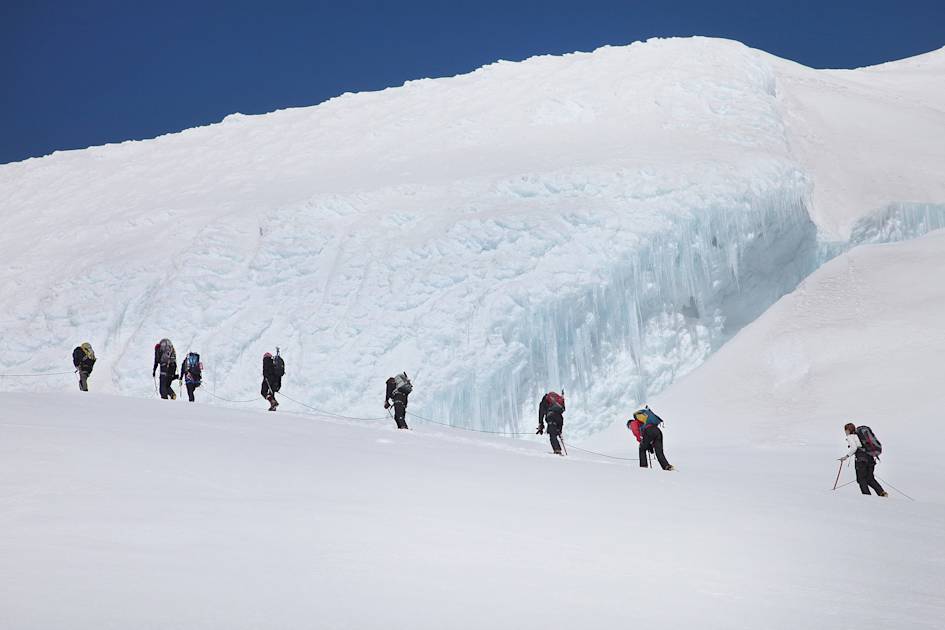
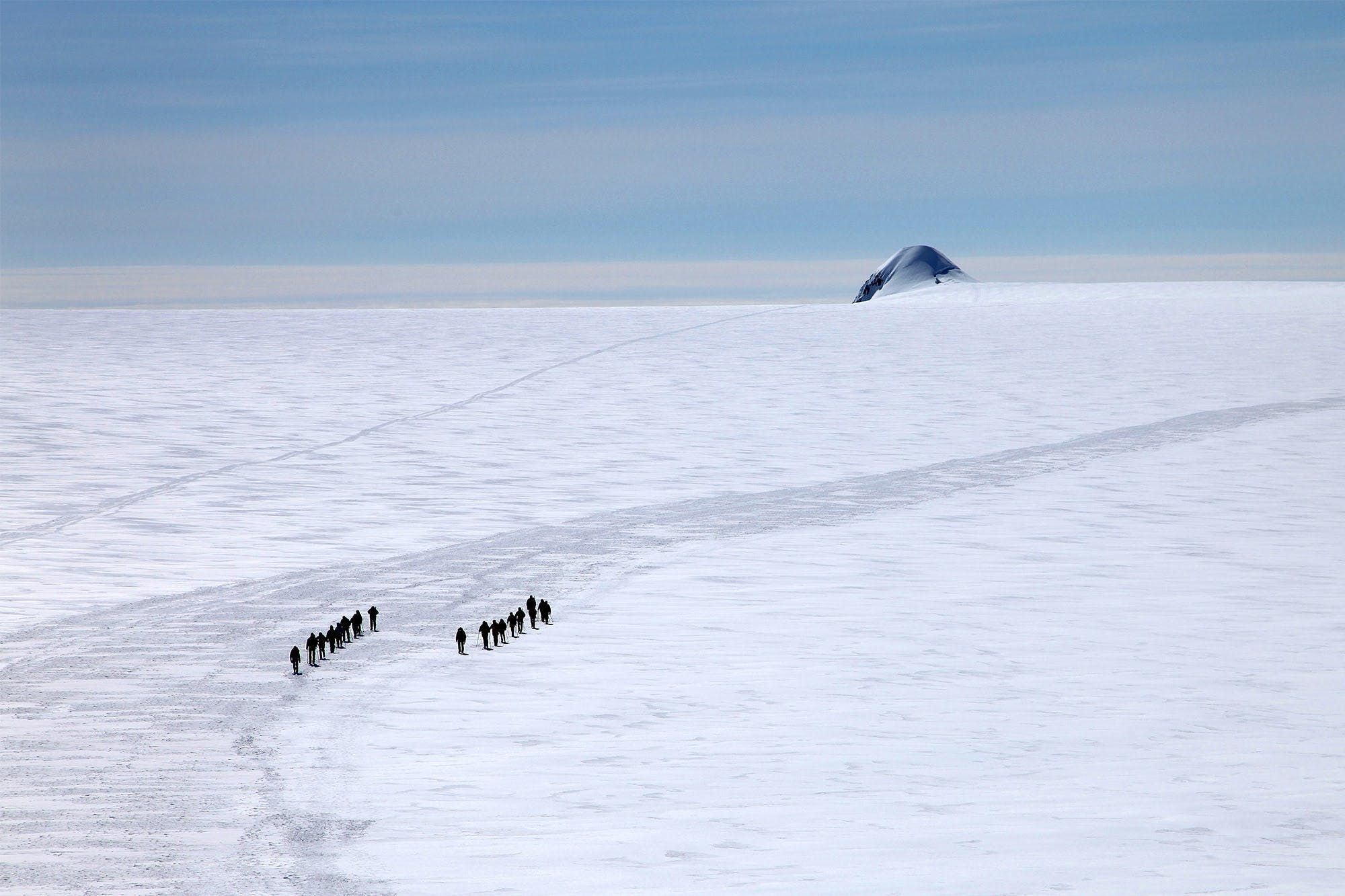
A backcountry group make their way through through a true wilderness in Iceland, on their way to Vörðuskeggi Peak. Photo: Bjorgvin Hilmarsson / Icelandia
Margrét’s advice on how to see Iceland responsibly?
“Choose another path. When you’re trekking, you’re travelling by foot and not impacting the environment so much. It’s the best way to travel in Iceland. I like to go up in the mountains where no one is; where there’s no infrastructure. I like the vastness and the feeling you get, that you’re so small in nature – like a grain of sand – because it’s so big if you go up to the Highlands. It’s just the wilderness.”
I like the vastness and the feeling you get, that you’re so small in nature – like a grain of sand.
We talk about climbing Eyjafjallajökull itself. “It’s mainly Icelanders who go there”, says Blondal, and the mountain of Vörðuskeggi. “It’s not very popular, which is a shame, because it’s just outside of Reykjavik and again, Icelanders go there to hike, but tourists not so much. We’re also going to have a trek next year with Much Better Adventures called Núpstaðskógar. It’s in the south of Iceland, and not many trips go there. You can hike for four or five days without meeting a soul. It’s the liberty; it’s the vastness – freedom and nobody around you.”
The Wonders of the World
Long-distance hiking trails are one excellent way of easing pressure on photogenic hotspots and spreading the wealth of tourism to remote communities, while also giving travellers a more authentic experience.
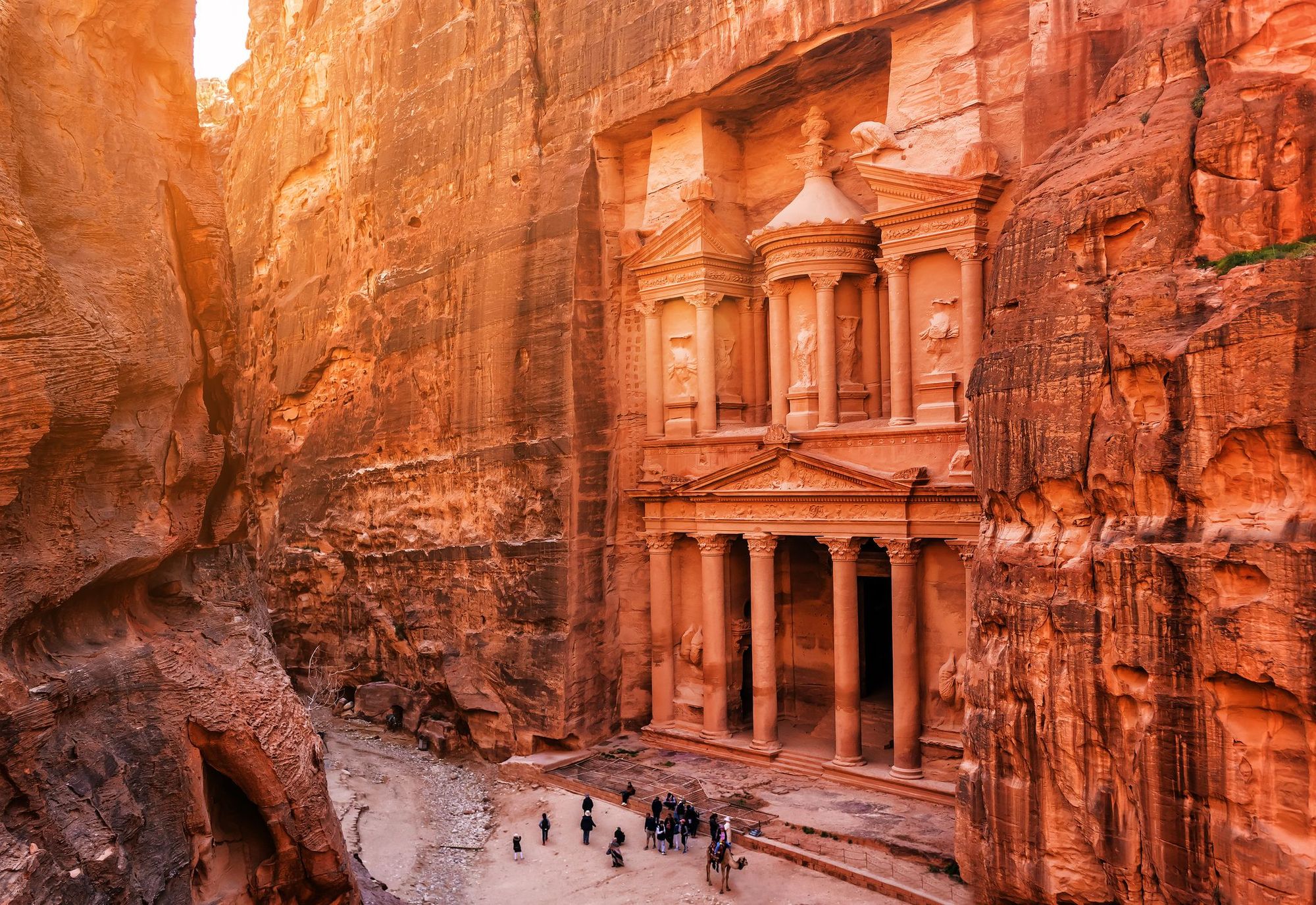
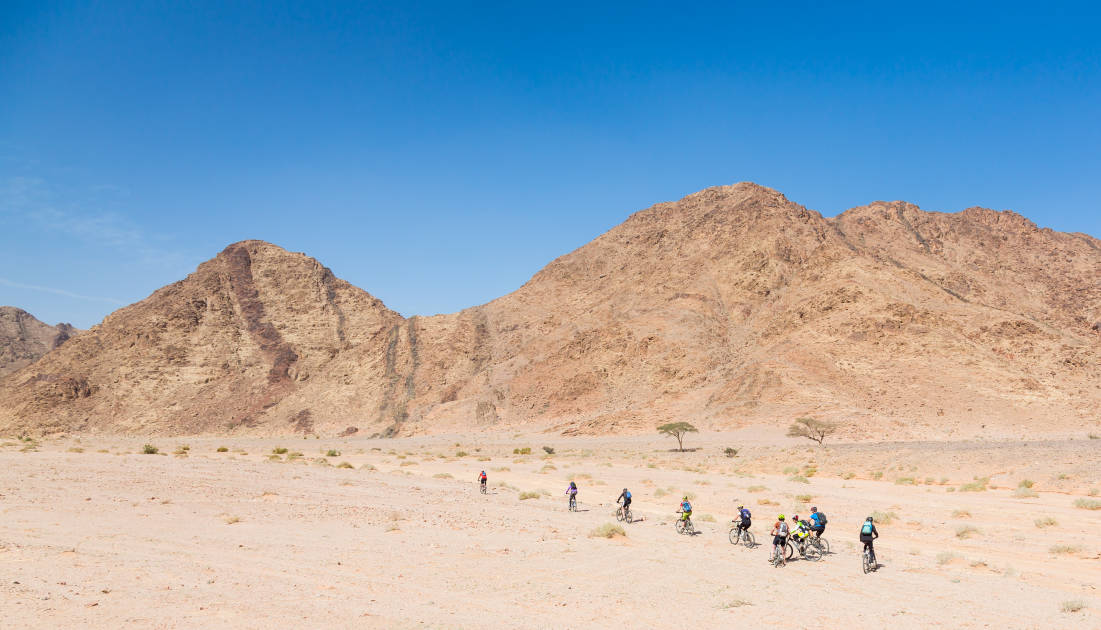
A good example can be seen in the Middle East, where The Jordan Trail – a 420-mile (675km) walking route spanning the length of Jordan – was created to help spread out tourists who flock to Petra, then leave Jordan quickly after.
The stars above the facade of Al-Khazneh, The Treasury, which changes colour with the sun. Photo: Getty
“Some people who live just an hour away from Petra never get to benefit from travellers who go there,” says Ayman Abd Alkareem, one of the founders of the trail. “They see all the tourist buses going back and forth to Petra, but they never stop on the way. And if communities start seeing travellers coming through their area, or by their area, without interacting with them or without benefiting or engaging with them – that creates tension, which is not what we want.”
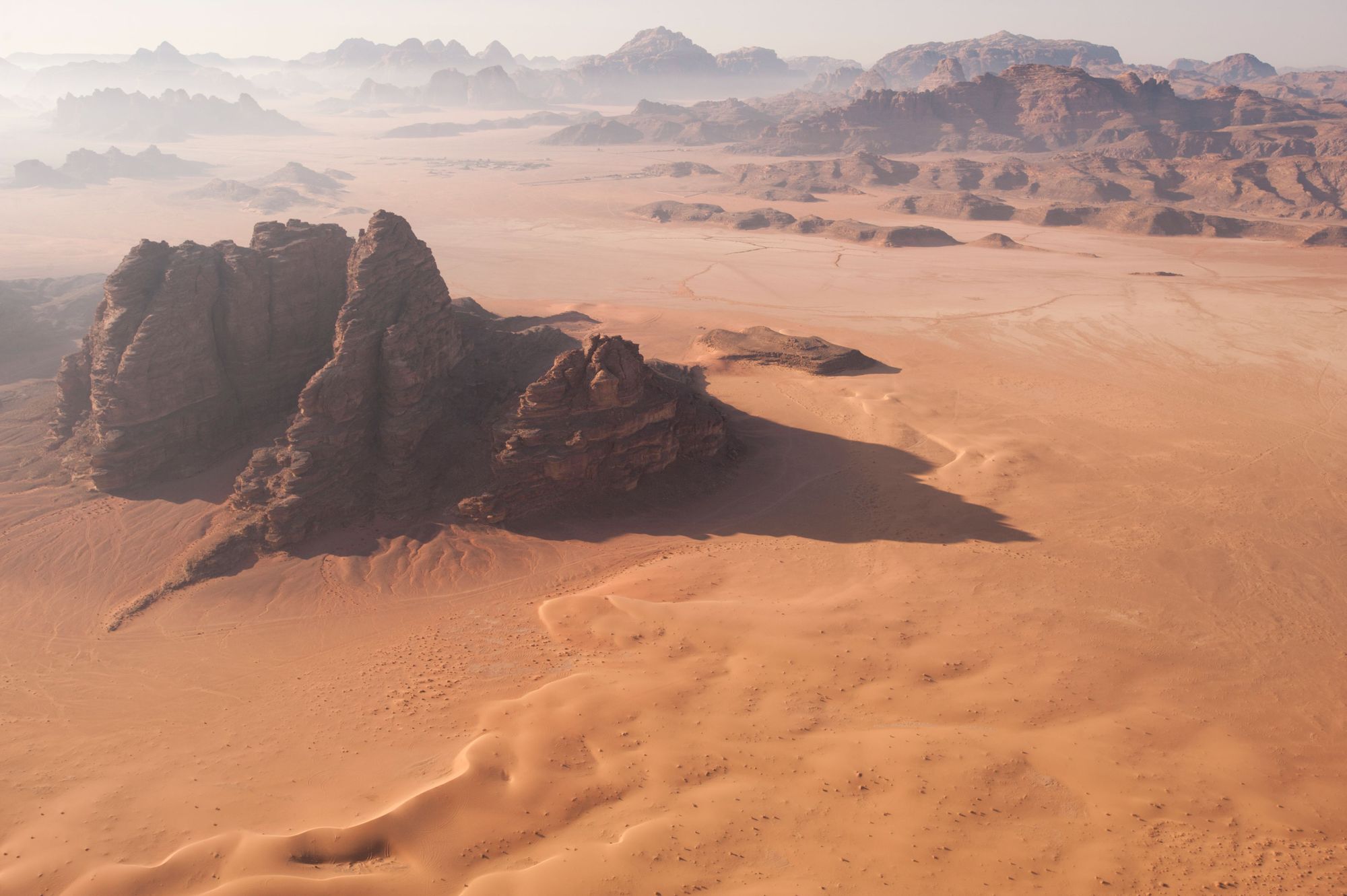
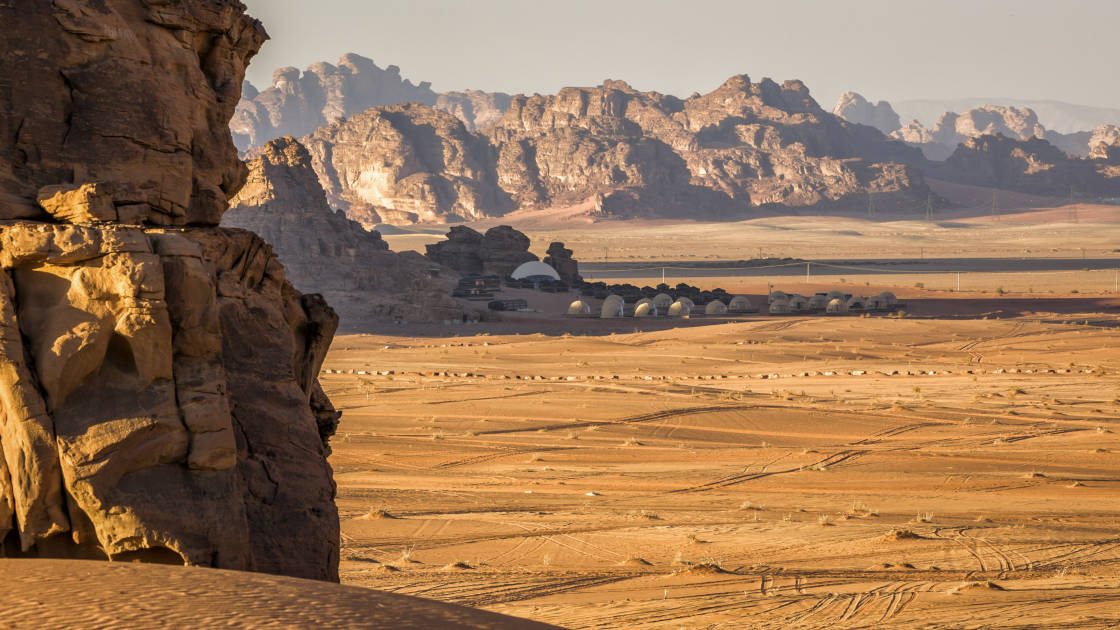
The Jordan Trail – and new Jordan Bike Trail – both stop at Petra, but also go to the mountains of Wadi Rum, the cliffs of the Great Rift Valley and the Red Sea.
Cycle the Jordan Trail to Petra | Much Better Adventures
Pedal with local experts through desert landscapes on sections of the Jordan Bike Trail. You’ll pause at Petra, be wowed by Wadi Rum and float in the Dead Sea.
“The trail helps distribute income throughout the country; especially to communities that don’t get enough share of the tourism,” says Ayman. “Travellers who come on these trails help buy bread and help bakeries, they buy water and go to the small grocery shops in remote areas. So it’s distributing the income equally across the country, helping keep the money that comes to Jordan in Jordan, and getting it directly into the hands of the local community.”
If communities start seeing travellers coming through their area, or by their area, without interacting with them or without benefiting or engaging with them – that creates tension.
The trail was launched in 2015 and has proved a huge success, with international media coverage and acclaim. And actually, social media has helped expand people’s knowledge of Jordan. “I think social media is an arrow with two heads,” says Ayman. “It can be really good or really bad – but it is definitely important.”
There was a time when people would arrive in Petra from Israel on day trips, not knowing they were entering a different country, Ayman says. But now social media has helped showcase Jordan as a destination – and promote the trail.
A stunning aerial view of Wadi Rum, also known as the Valley of the Moon, cut into sandstone and granite rock in southern Jordan. Photo: Getty
“Now people are not just posting about Petra,” Ayman says. “They’re promoting local experiences, women-owned, small enterprises and all of these newer ideas. We still have people who come for the bucket list, and visit Petra – it’s an amazing site – but there’s more distribution. And more people are extending their stays in Jordan, rather than just visiting on an extension from Egypt or Israel.”
We’re heading into a new era where people are a bit more authentic and caring a bit more about the places they visit.
So, could social media help solve the problem it created?
Dr. Lauren Siegel believes so. Her study shows how various destinations are dealing with social media-induced tourism, including Yellowstone’s #TakethePledge campaign, which used Instagram to encourage responsible photography in the park. Clearly, the platform is a great way to reach people.
“I think the best way to reach them would be online since this behaviour is really born online,” says Dr. Siegel. “So having information about that place – and any negative impacts happening there – right as you find out about the place online, that’s the ideal situation. Just some education about proper behaviour, and perhaps about local businesses, the top locally-owned restaurants or where you can get locally-made crafts. I think travellers would love that.”
Explore Jordan and Sleep in a Martian Dome | Much Better Adventures
Join a small bunch of like-minded travellers to marvel at Petra, float in the Dead Sea, snorkel the Red Sea & count shooting stars from your bed in the desert.
Dr. Siegel also believes that we are turning a corner now.
“I think when people visit these Instagrammable hotspots, they realise once they get there that it’s not what they expected,” she says. “There’s actually a line and lots more people doing the exact same things they’re doing. It’s not really a value-added experience, because there’s not much to do other than taking your pictures. So if you are just going for pleasure, I think people might start to realise that it might not be worth visiting these places just to take pictures.
“We’re hopefully on the tail end of this idea that life is curated, and people making their lives look perfect online, and we’re heading into a new era where people are a bit more authentic and caring a bit more about the places they visit. And there are now more influencers emerging that are seeking out local vendors and being responsible. Gen Z is very wary of their impact on the planet, so I think that type of content is where the future is.”
So, take that photo. Your mum will be annoyed if you don’t. But if you book flights based purely on that scenic snap from Instagram? Be prepared to join the queue.
Inspired? Check out our wide range of adventure holidays, taking you off the beaten track and protecting wild places!
Traveling is an investment in itself, and probably the best investment of all. What’s better than spending your cash to sip cocktails on the beach, or your hot chocolate in the lap of Switzerland? A luxurious vacation is an experience in itself. Living a life of luxury comes with its own set of perks and having a hefty bank balance allows you to travel the world, and explore the unknown without having to worry about your expenses. Here are some of the luxurious places you can escape to:
Kudadoo Private Island, Maldives
The Maldives, an Instagram darling, has become recognized for the abundance of overwater villas that have taken over its waterways. These islands are the epitome of the ‘ideal’ beach vacation: bone-white beaches flanked by palm trees and crystal-clear blue waters, with wooden walkways leading out onto dozens of thatched-roof houses where swimming with tropical fish, are just a few steps away.
Kudadoo Private Island, Maldives
Kudadoo, a private island in the Maldives accessible by a 40-minute flight from Male, grants every dream – “anything, anytime, anywhere.” While the country is one of the ultimate luxury vacation locations, its location, and nature lends itself to water-based activities. Divers and snorkelers flock to the area to observe hammerhead sharks, manta rays, and whale sharks. There are also various sailing, fishing, and surfing options. Sip your cocktails with a private beach as you dig your fingers into delicious sea food at Maldives!
St. Moritz, Switzerland
St. Moritz, Switzerland
The wealthy and famous’s holiday spots sometimes resemble tropical island paradise, but they can also be the polar opposite. One such location is St. Moritz, Switzerland. St. Moritz, one of the world’s most renowned ski destinations, is located in the Albula Alps and was the first to boast both the first ski lift and the first electric light.
St. Lucia, Caribbean
St Lucia offers a different landscape than many other famous Caribbean resorts, with towering volcanoes bordering the coastline and lush rainforest spanning much of the island nation’s interior. Add to that a plethora of exquisite beaches – such as Marigot Bay and Sugar Beach – and the proximity to towns like Castries and Soufriere, and you have a winning combination.
St. Lucia, Caribbean
You might visit the Caribbean a thousand times and still not have experienced all of the luxury options in places like the Bahamas, Barbados, and the Dominican Republic. St Lucia, on the other hand, is a little more unique – and isolated. The country offers a natural scenery and exquisite setting that ranks among the most beautiful in the world.
Lake Como, Italy
Lake Como, Italy
Lake Como, best known as the residence of George and Amal Clooney, was named the World’s Most Beautiful Lake in 2014. You can enjoy extravagant dinners, and lavish romantic boat rides in this magnificent city. Days here are frequently spent exploring the colorful hillside communities, learning about the local culture, and participating in activities like boating and golfing.
North Island, Seychelles
North Island, Seychelles
North Island is a luxurious island resort in Seychelles that is sprinkled with blue sea. The lush tropical trees, smooth powdery beaches, and massive cliffs are straight out of a postcard. The estate is home to eleven magnificent villas that exemplify exclusivity and exclusive experiences. The island has untouched landscapes and provides a luxurious hideaway unlike any other.
Laucala Island Resort, Fiji
Laucala Island Resort, Fiji
Laucala Island Resort is a bit of paradise spanning 3,500 acres. It allows you to discover Fiji’s booming marine offering, which is both unique and magnificent. The sun-kissed private beach, many water sports such as diving, surfing, and submarine tours, as well as delicious food, may keep visitors entertained for days. The twenty-five deluxe villas are designed to look like traditional Fijian homes and provide maximum comfort and solitude.
Cote d’Azur, France
Many Brits refer to this area of southern France as the French Riviera, and it features everything from scenic cities to luxurious beach resorts. Some of France’s most famous tourist sites, including Nice, Saint-Tropez, and Cannes, as well as Monaco, are located along this length of coastline, with travelers coming to the area every year for sunbathing, sightseeing, and a taste of famous French culture. The fact that these cities have hosted Film Festivals, F1 races, yachts, and Queen Victoria visits in the past speaks to the sparkle and glamor of this region of the country.
Villefranche sur Mer, France. Seaside town on the French Riviera (or Côte d’Azur).
Nice and Cannes are riviera cities with similar grandeur and red roof style, and their varied attractions – galleries, museums, and the iconic Promenade des Anglais (Nice) and Boulevard de la Croisette – make them worth a visit. Saint-Tropez is synonymous with the Cote d’Azur’s wealthy spirit due to its notoriety in previous decades, but towns such as Menton provide all of the vibrant pastel architecture that you’d expect from this area of the European coast.
From museums to monuments, here are some of the top experiences around the globe to help you take your love of watches from hobby to passion.
Photo courtesy of the Clapham Clock Museum Photo courtesy of the Museum of Islamic Art
Most watch enthusiasts will make the obligatory pilgrimage to Switzerland, the Mecca of watchmaking, at some point in their lifetime. If you love a particular brand, you may plan a trip to tour the factory or visit the maker’s museum. But, what if you’re traveling to New Zealand, India, or Israel? What if you want to know the best watch destination right here in the States? Maybe you’re looking for something more interactive than a museum—like a hands-on experience building your own timepiece from scratch. There are loads of opportunities around the world for watch lovers to deepen their passion and knowledge beyond visiting brand museums. Here, we’ll explore seven unique travel destinations for watch enthusiasts.
Israel: Museum of Islamic Art
At first glance, you might consider something other than the Museum of Islamic Art in Jerusalem to be a horological destination. However, it’s home to a selection of rare clocks and watches from one of the foremost horological collectors and historians of the twentieth century, Sir David Lionel Salomons. Salomons has a particular interest in complicated watches built on advanced mechanical principles, and his collection reflects that. Among the 200 items are a wide array of horological objects, including 55 watches and clocks from Abraham-Louis Breguet. Salomons was one of Breguet’s most prolific collectors, so much so that he wrote a book on the esteemed watchmaker’s life and work entitled Breguet. Among the watches is perhaps one of the most significant pieces ever crafted by Breguet: watch No. 160 (WA 69), today known as the “Marie Antoinette.” This particular object took nearly 40 years to complete, featuring astonishing innovations, such as a calendar complication that adjusts to leap years, a thermometer, and the equation of time, among others.
The Marie Antoinette. Photo courtesy of the Museum of Islamic Art
Czech Republic: Olomouc Astronomical Clock
While many will travel to Olomouc to visit the Holy Trinity Column, its secular counterpart is the original gothic building of the city hall, which dates back to the fourteenth century. The centerpiece of the city hall building is a 500-year-old astronomical clock that’s one of the only heliocentric clocks in the world. Originally built sometime between the mid-1400s and early-1500s, the Olomouc Astronomical Clock displays the Earth and planets revolving around the Sun at the center of the universe. At the time, this defined the popular belief of geocentrism, which placed Earth at the center. Over nearly 600 years, the Olomouc Astronomical Clock has been reconstructed several times, with the latest update occurring in the 1950s by the artist Karel Svolinský. Svolinský is responsible for introducing the folklore motif of the Ride of the Kings at the top of the recess alongside various portrayals depicting characteristic work for each month of the year.
France: Atelier Du Bracelet Parisien
A more unconventional stop on your horological travels might include a bespoke maker like Atelier Du Bracelet Parisien. Just steps away from Place Vendôme in the heart of Paris, home to numerous watch boutiques and the Breguet Museum, you’ll find one of Europe’s premier custom strap makers. What initially appears as a modest workshop is home to every type of leather in every color you can imagine, including vegan options like cactus, grape, and pineapple. Atelier Du Bracelet Parisien is a small, family-owned company spanning two generations that has been operating for over two decades. It has been certified as a “Living Heritage Company” by the French state since its products are entirely handmade in the Paris outpost according to centuries-old techniques and traditions. Here, you can custom-build each and every element of your strap, from the thickness to the stitching and the tip shape to the keepers.
New Zealand: Clapham Clock Museum
Photo courtesy of the Clapham Clock Museum
Whangarei is New Zealand’s most northern city, made up mainly of rural land that gives way to the Bay of Islands. Thanks to its quaint charm and modest size, it’s the type of place where everyone knows your name, especially when you have a big personality like Archibald Clapham. Clapham moved from his home in Yorkshire, UK, to Whangarei in 1903. He quickly developed a reputation for his fun-loving personality and collection of over 400 horological objects, which included a vast range of timekeepers, from his bespoke pieces to more historically significant ones, like ancient water clocks. In 1961, Clapham sold his collection to the local Council, and a year later, they opened the Clapham Clock Museum in his honour. It’s now home to over 2100 clocks and timepieces, each carrying on Claphma’s unique spirit, making it one of the largest collections of horological instruments in the Southern Hemisphere.
India: Jantar Mantar
When you think of Jaipur, India, you might picture fine jewelry and luxury textiles. However, the Pink City is also home to a unique destination that attracts horological enthusiasts and architects, artists, and historians. Jantar Mantar comprises a collection of observatories, each with a specialized function for astronomical measurements, which date back to the beginning of the eighteenth century. The construction started in 1724 when Maharajah Sawaii Jai Singh II of Jaipur commissioned these five astronomical observatories to be built in northern India. At the time, most astronomical instruments were brass, but Maharajah Sawaii Jai Singh II wanted these structures to showcase locally sourced marble and stone. Among the observatories that make up Jantar Mantar is the world’s largest stone sundial, measuring over 88 feet. The Samrat Yantra or “Supreme Instrument” is not only aesthetically striking but also technically impressive. The dial can measure time with astonishing precision, boasting an accuracy of two seconds.
United States: Harvard University’s Collection of Historical Scientific Instruments
In 1948, Harvard University established its Collection of Historical Scientific Instruments. Today, it’s grown to contain over 20,000 objects, making it one of the three largest university collections of its kind. Among the array of horological and astronomical instruments is the largest collection of sundials in North America. This gift from David P. Wheatland, class of 1922, includes ivory pocket sundials made in Nuremberg, Germany between 1575 and 1645.
Still, the most remarkable of the horological items found in the collection is Boston clockmaker Joseph Pope’s grand orrery. In it, you see the planets and moons of the planets as they were known at the time moving around the sun, turned by an elaborate set of gears. In addition, the exterior is decorated with wooden figures cast in brass by Paul Revere. The grand orrery is not just an incredible object within itself. It embodies the ambitions of scientists in the eighteenth century, and therefore, it is the perfect representation of what the Collection of Historical Scientific Instruments has to offer.
Switzerland: Initium
We’d remiss not to include a stop in Switzerland on this watch enthusiast’s journey around the globe. However, instead of a more typical destination like a brand museum or factory, we’ve opted for a more unconventional one. At Initium, you have the opportunity to make your own Swiss watch alongside Master Watchmakers. Options are available for either a half-day or daylong experience. The daylong workshop is the most robust and immersive. It begins with coffee, croissants, and an introduction to watchmaking that includes disassembling and reassembling the heart of the watch: the movement. After a lunch break, it’s time to build your bespoke timepiece. No experience is required to participate, and workshop sizes are kept small to maintain a warm atmosphere and to guarantee a personal experience. You also have the option to fully customize the timepiece you build, making it a true personal staple of your collection.
Spring Break Florida staycation ideas | Good Day Orlando
Mikaela Walker, the Managing Editor at Orlando Parents’ Family Fun Magazine, speaks to FOX 35 about things to do in Florida during Spring Break 2021.
ORLANDO, Fla. – Spring break is right around the corner for local students and families.
It’s the perfect opportunity to soak in the sun or attend a special event taking place in Florida’s best travel destinations.
StudentCity, a student tour operator specializing in spring, summer and winter trips for college students nationwide, shared its list of the most popular towns to visit in the Sunshine State this year:
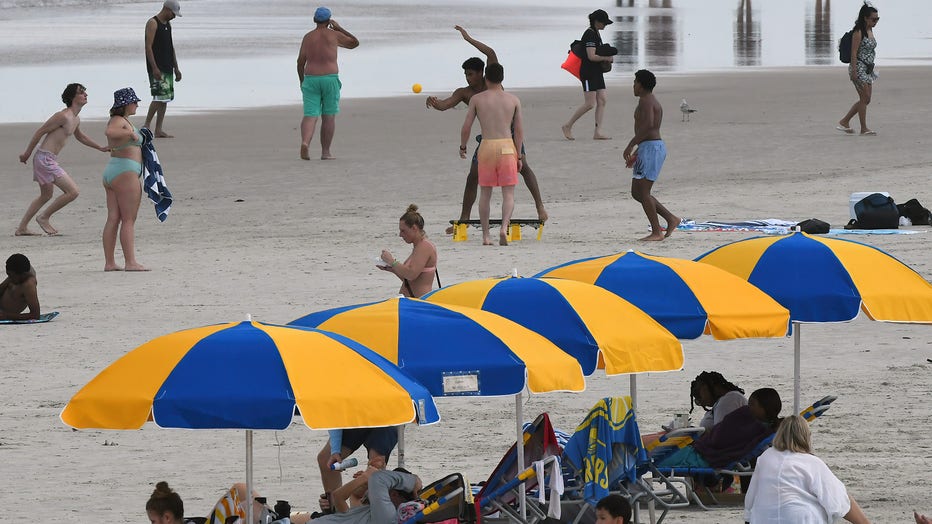
Daytona Beach
Daytona Beach is considered one of the world’s most famous beaches. From its 23-mile white sandy beaches to the ultimate fun night out on the town after the sun sets, there are a plethora of things to do.
DAYTONA BEACH, FLORIDA, UNITED STATES – 03/27/2023: People enjoy warm temperatures during spring break at Daytona Beach. Daytona Beach has traditionally been a popular spring break destination for college students from around the country. Strict enfo
Bonus point: Daytona Beach is just about an hour’s drive from Orlando’s hottest theme parks.
Florida Keys
The Florida Keys consist of a collection of five regions: Islamorada, Key Largo, Lower Keys, Big Pine and Key West.
One of the popular tourist spots include the Schooner Wharf Bar, the Seven Mile Bridge (the world’s longest segmented bridge), and the Florida Keys Shipwreck Trail, to name a few.
Islamorada is also the world’s sportfishing capital, famous for sport and saltwater fly fishing, according to Student City.
Panama City Beach
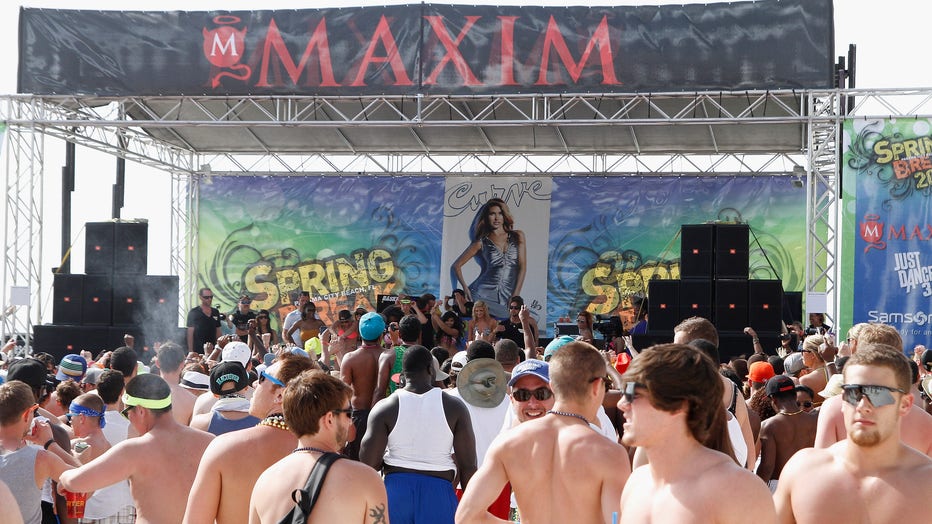
StudentCity deems Panama City Beach as the “Spring Break Capital” as every year, about 500,000 people are known to visit the area.
The area is known for its drink spots, parties and wild contests.
PANAMA CITY, FL – MARCH 14: Audrina Patridge gets the party started for Spring Breakers on behalf of the Curve Appeal Fragrance and Maxim at spring break event at the BoardWalk Beach Resort – Pananma City Beach on March 14, 2012 in Panama City, Flori
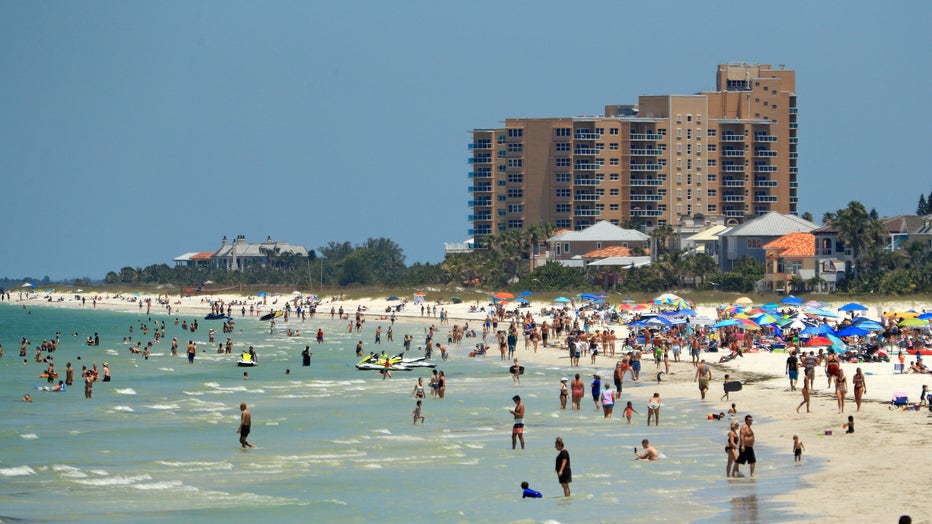
Clearwater Beaches
Clearwater Beaches are mostly known for their turquoise waters Gulf of Mexico waters.
Besides sunbathing and visiting local islands like Honeymoon and Caladesi islands, the area is about a 30-minute drive from Busch Gardens theme park in Tampa and the Florida Aquarium.
CLEARWATER, FL – MAY 04: People visit Clearwater Beach after Governor Ron DeSantis opened the beaches at 7am on May 04, 2020 in Clearwater, Florida. Restaurants, retailers, beaches and some state parks reopen today with caveats, as the state continues
RELATED: When does spring break 2024 start for Central Florida school districts?
Cocoa Beach
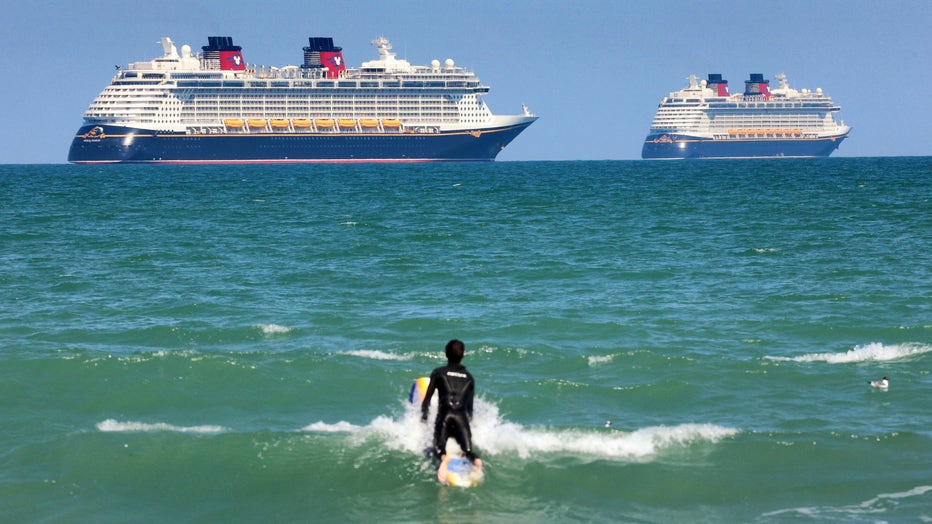
If you love to surf, you’ll want to visit Cocoa Beach. The famous Original Ron Jon Surf Shop is also located in Cocoa Beach.
Cocoa Beach is not far from the Kennedy Space Center, so you may even spot a rocket launch in the skies.
A surfer’s eyes the Disney Cruise Line ships Fantasy, left, and Dream on the horizon as they sit stationary off of Cocoa Beach, Fla., in this view from Lori Wilson Park, March 24, 2021. (Joe Burbank/Orlando Sentinel/Tribune News Service via Getty Image
Cocoa Beach is not far from Port Canaveral where you can continue your spring break fun on a cruise ship.
MORE: When does college spring break 2024 start in Florida?
MIAMI BEACH, FLORIDA – MARCH 22: Students on Spring Break attend the MK Area 10 Party hosted by 93.5FM Revolution Radio Miami at the National Hotel on South Beach as part of Miami Music Week on March 22, 2018 in Miami Beach, Florida. (Photo by Sean D
South Beach
From visiting the beach, to the glamourous nightlife scene, to celebrity chef restaurants, to cruising the waters – what’s there not to love about South Beach?

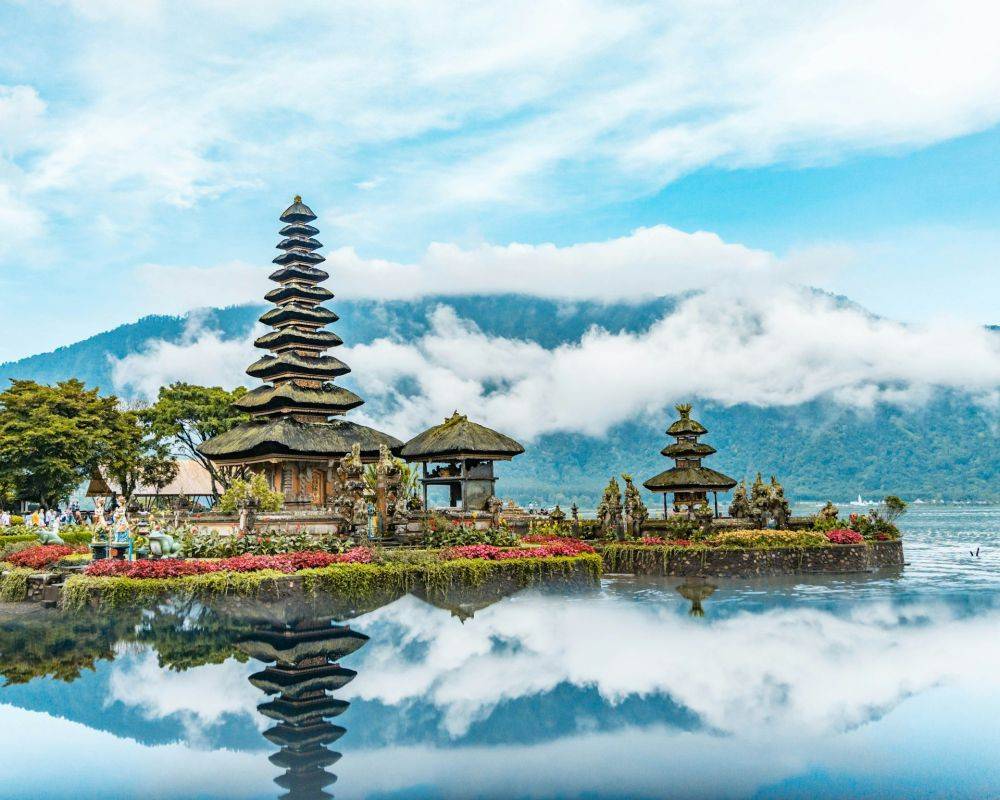 Portrait of Ulun Lake Beratan Temple in Bali (unsplash.com/mrqs_g)
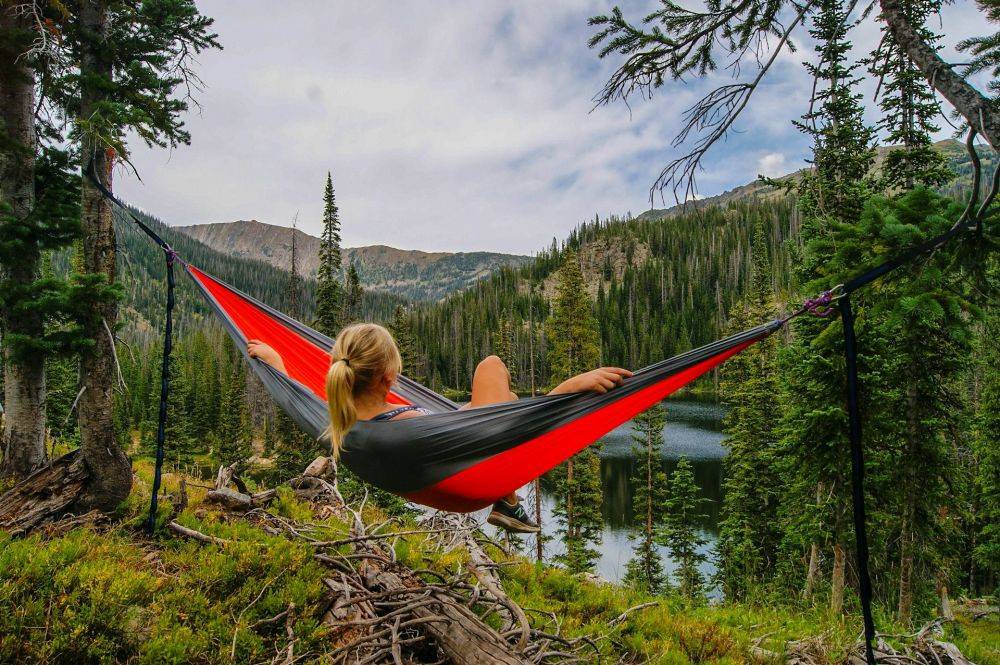 Illustration of tourists relaxing (unsplash.com/bettenz)
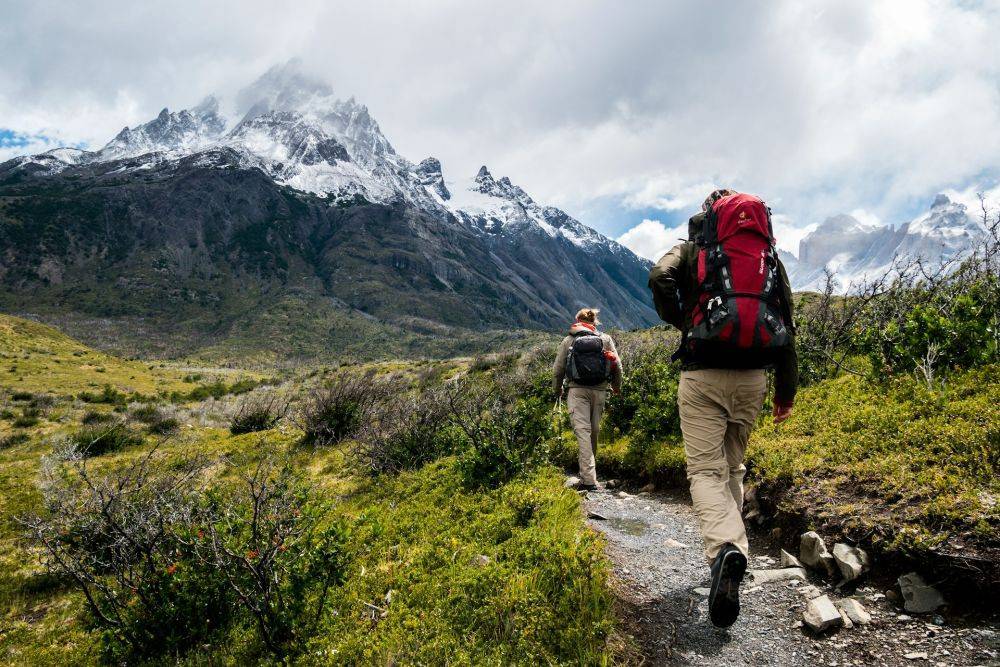 Illustration of tourists climbing a mountain (unsplash.com/toomastartes)