The Art of the Campus Visit: Navigating the Reality Behind the Marketing Gloss
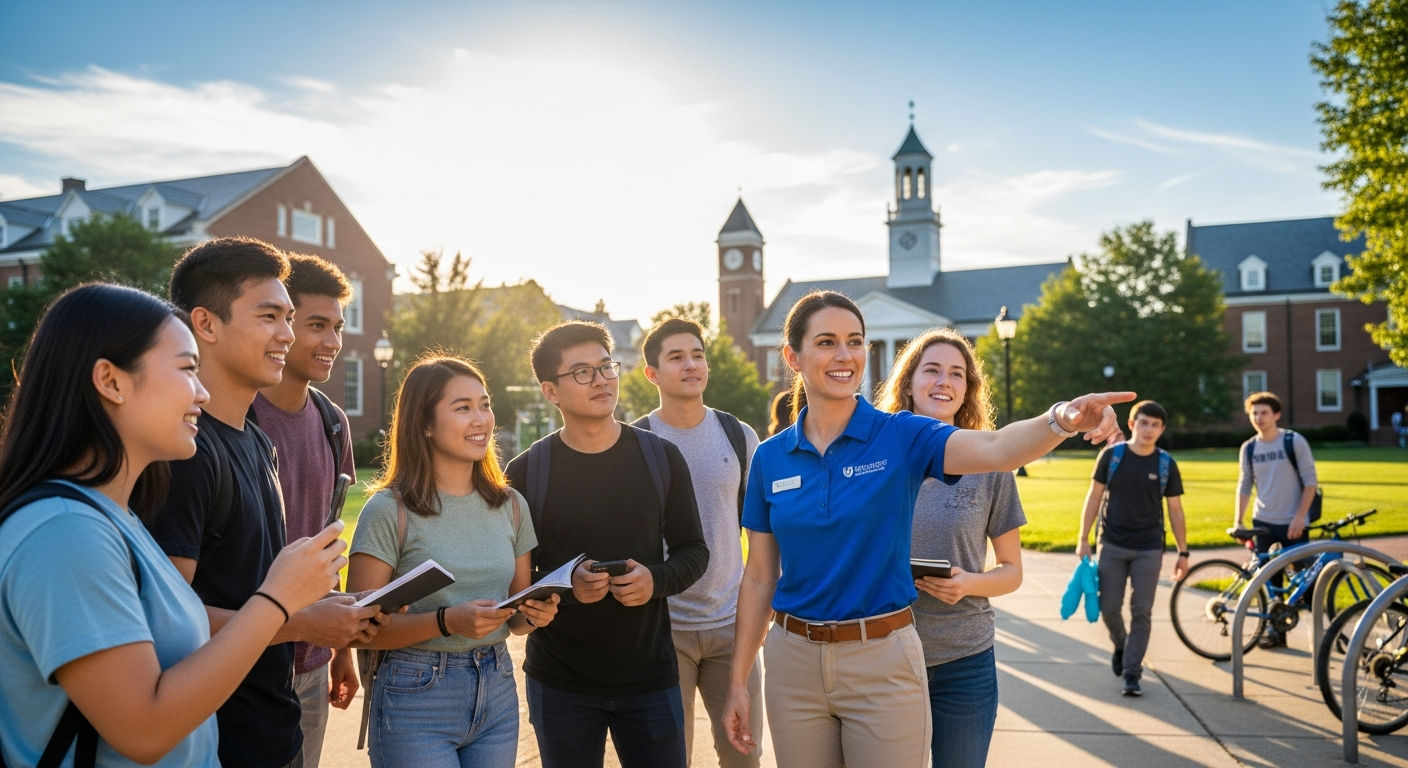
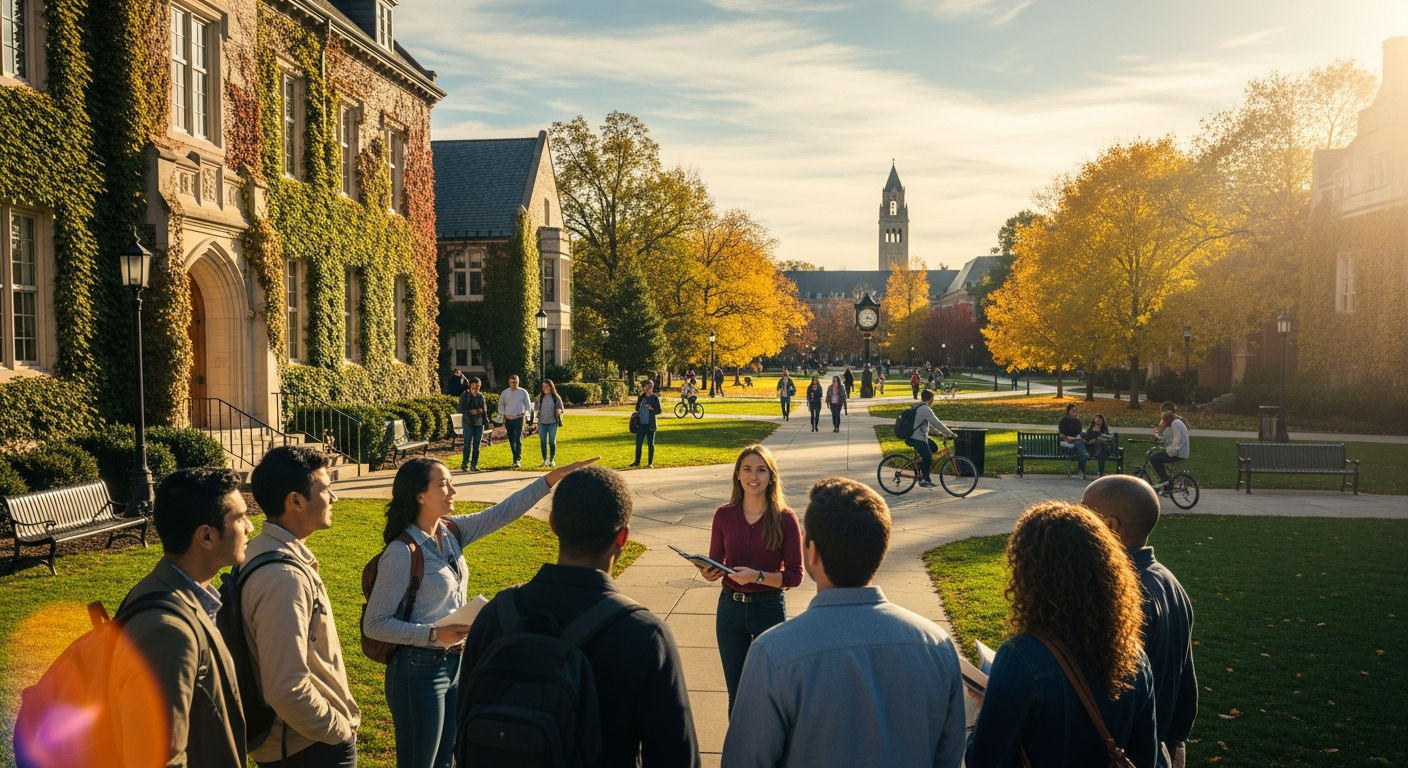
I’ve stood in the back of more campus tours than I care to admit. I’ve watched the same choreographed walks, heard the same jokes about the local statue’s “good luck” powers, and seen thousands of high school juniors nod along to statistics that, frankly, don’t tell them a single thing about what their life will actually look like for the next four years. A campus tour is a performance. It’s a carefully curated piece of theater where the university is the stage, the student guide is the protagonist, and you are the captive audience they’re trying to convert into a tuition-paying lead.
If you treat a campus visit like a passive observer, you’re doing it wrong. I tell my students all the time: stop looking at the shiny new science center that was finished last Tuesday. Look at the cracks. Look at the way people move when they aren’t being watched. Most importantly, look for the things the admissions office didn’t put on the map. After a decade in this space, I’ve realized that the “best” campus isn’t the one with the most expensive gym; it’s the one where you don’t feel like an imposter the moment the tour bus leaves.
The Architecture of Persuasion
Universities are masters of the “first impression.” They know exactly which route the tour guides should take to avoid the brutalist dorms built in the 1970s that look like high-security prisons. They will lead you through the “Academic Quad,” past the manicured lawns and the heritage buildings that smell like old books and prestige. It’s intoxicating. You start picturing yourself wearing a branded hoodie, holding a latte, and debating philosophy under an oak tree. This is the halo effect in full force. One beautiful building can subconsciously trick your brain into thinking the chemistry department is top-tier, even if their labs haven’t been updated since the Cold War.
I remember visiting a prestigious liberal arts college in New England with a client a few years back. The library was breathtaking—vaulted ceilings, stained glass, the works. But when we wandered off the path and found the actual “study hives” where most undergraduates spent their nights, it was a different story. It was cramped, the Wi-Fi was spotty, and the vending machines were all out of order. That’s the real student experience. When you’re on the tour, ask yourself: is this where I’ll actually be spending my time, or is this just the showroom?
Deconstructing the Tour Guide Script
Don’t get me wrong, I love student guides. They are usually the most energetic, involved, and charismatic people on campus. But remember, they are employees. They are trained to pivot. If you ask about the social scene and they only talk about “organized club activities,” that’s a red flag. If you ask about the food and they pivot to the “variety of healthy options” without mentioning that the dining hall closes at 7 PM on Sundays, they’re playing the game.
The best way to break the script is to ask hyper-specific, inconvenient questions. Instead of asking “Is the faculty accessible?”, ask “When was the last time you actually had coffee with a professor who wasn’t your advisor?” Instead of “Is it safe?”, ask “How many times did the blue light emergency system actually get used last month?” The hesitation in their voice or the way they scramble for an anecdote will tell you more than the answer itself. I’ve found that the most honest guides are the ones who are willing to complain a little. If they admit the dorm laundry rooms are a nightmare or that the shuttle bus is always five minutes late, I trust them. Perfection is a lie; I’m looking for a place that is honest about its flaws.
The “Bathroom Test” and Other Guerrilla Tactics
If you want to know the truth about a school’s soul, leave the tour group for twenty minutes. Go to the student union and just sit. Don’t look at your phone. Just watch. Do students talk to each other? Are they laughing? Or is everyone hunched over a laptop in stony silence? I call this the “Vibe Audit.” It’s unscientific, biased, and incredibly accurate. A campus where no one makes eye contact is a very different place to live than one where the energy is chaotic and loud.
Then, go find a bathroom in an average classroom building—not the one in the admissions center. If it’s neglected, if the stalls don’t lock, or if it’s generally grimey, it tells you a lot about how the university prioritizes its daily maintenance versus its public-facing image. It sounds petty, but these are the things that wear you down over four years. I’ve seen schools with billion-dollar endowments that couldn’t keep a soap dispenser filled in the English department. That tells me where their priorities lie: in the endowment, not the student experience.
Another trick I swear by is checking the bulletin boards. Not the digital ones—the old-school corkboards in the basement of the arts building or the student lounge. Look for the flyers. Are they all official university events? Or are there “Roommate Wanted” posters, ads for underground bands, and political manifestos? A messy, crowded bulletin board is the sign of a living, breathing community. A sterile, empty board usually means the administration is over-sanitizing student life.
The Invisible Perimeter: Life Beyond the Gates
A campus doesn’t exist in a vacuum. One of the biggest mistakes I see families make is driving onto campus, doing the tour, and driving straight back to the highway. You aren’t just choosing a school; you’re choosing a zip code. You need to know what happens when you walk two blocks past the “Official University Entrance” sign. Is there a cheap place to get a sandwich at midnight? Is the surrounding neighborhood somewhere you can safely walk at night? Or is the campus an island of wealth surrounded by a town that resents its presence?
I once worked with a student who fell in love with a high-tech campus in a major city. On paper, it was perfect. But during our visit, we realized the “campus” was actually just six office buildings scattered across a busy financial district. There was no grass. There was no “center.” Students were just commuters in their own lives. For some, that’s great. For him, it would have been a disaster. He needed a porch to sit on and a local dive where the barista knew his name. You won’t find that out from a brochure. You find it by walking the perimeter until your feet hurt.
The Gut Feeling is Data, Too
We live in a world obsessed with rankings, ROI, and prestige metrics. We try to turn the college search into a giant spreadsheet. But choosing a college is one of the last truly emotional decisions we make. I’ve had students stand in the middle of a world-renowned Ivy League campus, look around, and say, “I hate it here. I feel like I’m in a museum.” And they were right to feel that way. If the “vibe” is off, the “data” doesn’t matter. You won’t succeed in a place that makes your skin crawl, no matter how high its post-grad salary average is.
I always tell parents to stop talking during the drive home. Let the kid speak first. If the first thing they talk about is the cool lab equipment, they’re thinking about the “work.” If the first thing they talk about is how the students seemed “cool” or “nice,” they’re thinking about the “life.” You need both, but the latter is what keeps them from transferring during freshman year. The campus tour isn’t about checking boxes; it’s about testing a hypothesis. The hypothesis is: “Can I see myself waking up here on a rainy Tuesday in November when I have three exams and a cold?” If the answer is a hesitant “maybe,” keep looking. If the answer is a resounding “yes,” you’ve found something far more valuable than a high ranking.
Ultimately, a campus tour is just a first date. It’s supposed to be a bit performative. The school is wearing its best suit, and you’re on your best behavior. But the goal of the visit isn’t to fall in love with the suit; it’s to figure out if you actually like the person wearing it. Don’t be afraid to poke at the seams. Don’t be afraid to ask the hard questions. And for heaven’s sake, don’t forget to check the bathrooms.
